Menu

How to Build a Layered Garden to Improve Soil Structure

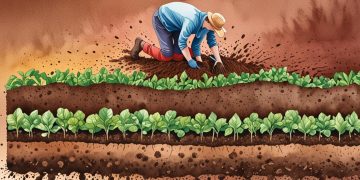
Discover how to enhance soil structure and promote a thriving garden ecosystem through layered gardening techniques. By strategically combining organic materials, you can improve soil aeration, nutrient retention, and biodiversity, ultimately cultivating a resilient garden that supports healthy plant growth and fosters sustainability. Embrace creativity and observation for ongoing success.

How to Identify and Correct Nutritional Deficiencies in Soil for Beginners

This guide helps beginners understand how to identify and correct nutritional deficiencies in soil. By recognizing signs like yellowing leaves and stunted growth, and employing strategies like soil testing and organic amendments, gardeners can enhance soil health and promote thriving plant development.

How to Test and Adjust Soil pH in Your Garden

Understanding and managing soil pH is essential for thriving gardens. This guide outlines methods to test and adjust soil pH effectively, ensuring optimal plant growth and nutrient availability. By incorporating amendments and monitoring conditions, gardeners can enhance productivity and foster a resilient ecosystem. Regular testing promotes healthy, bountiful harvests.

Mulching Strategies to Preserve Soil Moisture in Home Gardens

Maintaining soil moisture is essential for a thriving home garden, and effective mulching strategies play a crucial role. By using organic and inorganic materials, gardeners can enhance moisture retention, suppress weeds, and regulate soil temperature, ultimately fostering a healthier and more sustainable garden ecosystem. Experimenting with various mulches can lead to optimal results.

How to Identify and Fix Common Soil Problems in Home Gardening

Learn how to identify and fix common soil problems in home gardening to enhance plant health and maximize your harvest. Discover essential strategies for improving soil drainage, managing nutrient deficiencies, and addressing compaction. Embrace techniques like soil testing and organic amendments to create a flourishing garden ecosystem.

Soil Aeration Techniques to Improve Plant Health in Home Gardens

Effective soil aeration techniques enhance plant health in home gardens by improving air exchange, nutrient uptake, and root development. Methods like core aeration, spike aeration, and the use of organic matter can combat soil compaction and promote a thriving garden ecosystem, ensuring optimal growth and resilience for your plants.

Benefits of Syntropic Agriculture in Soil Management for Beginners

Syntropic agriculture offers beginners a transformative approach to sustainable soil management. By fostering biodiversity, enhancing soil fertility, and implementing effective water conservation techniques, novice gardeners can improve crop yields while promoting ecological health. Embracing these methods leads to resilient gardening practices and a deeper environmental connection.

The Importance of Soil Quality for Gardening Beginners

Soil quality is essential for gardening beginners, influencing plant health and productivity. Understanding soil texture, nutrients, pH levels, and organic matter enhances growth and resilience. Engaging in practices like soil testing, crop rotation, and using organic amendments fosters a thriving garden ecosystem, ensuring successful and rewarding gardening experiences.


Natural Composting Methods to Improve Soil in Home Gardens

Discover effective natural composting methods to enhance soil health in home gardens. By utilizing techniques like traditional composting, vermicomposting, and Bokashi, you can recycle organic waste, enrich your soil with nutrients, and promote sustainable gardening practices, all while contributing positively to the environment.

Crop Rotation Practices for Beginners: How to Improve Soil Health

Discover how crop rotation practices enhance soil health and fertility. By alternating crops, you improve nutrient balance, reduce pests, and promote biodiversity. Implementing simple rotation schedules and incorporating cover crops can lead to a thriving garden while contributing to sustainable agricultural practices and healthier ecosystems.