How to Test and Adjust Soil pH in Your Garden

The Importance of Soil pH in Gardening
Soil pH is a fundamental aspect that significantly impacts the health of your garden. By determining the acidity or alkalinity of your soil, you can establish a solid foundation that allows your plants to thrive. A balanced pH level not only facilitates the absorption of essential nutrients but also contributes to overall plant vigor and productivity. Unfortunately, many gardeners across the United States neglect to consider soil pH, which can lead to suboptimal growth and diminished harvests.
Understanding why soil pH is important is key to successful gardening. Here are some of the primary reasons to pay attention to this crucial factor:
- Optimal Plant Growth: Different plants thrive within specific pH ranges. For instance, azaleas and blueberries prefer acidic soil with a pH between 4.5 and 6.0, while vegetables like asparagus prefer a slightly alkaline environment, ideally between 7.0 and 8.0. Knowing this helps you select plants compatible with your soil’s pH.
- Nutrient Availability: A balanced pH enhances nutrient availability, which is vital for plant health. Nutrients like nitrogen, phosphorus, and potassium are more readily absorbed by plants at neutral pH levels. Conversely, extreme pH levels can lock out these essential nutrients, leading to deficiencies that can stunt growth and yield.
- Preventing Soil Toxicity: If the soil is too acidic or too alkaline, certain harmful elements can become more soluble and toxic to plants. For example, a pH below 5.0 can lead to elevated levels of aluminum, which can inhibit root growth and lead to poor plant performance.
To determine your garden’s soil pH, a variety of tools and methods are available. Home testing kits can be purchased at garden centers and provide quick, preliminary results. For more precise measurements, sending soil samples to a professional lab may be a better option. After testing, you’ll gain critical insight into your soil’s current state and the adjustments needed.
Once you have established your soil’s pH, adjusting it becomes an attainable goal. For instance, if your soil is too acidic, incorporating lime can help raise the pH. Conversely, sulfur or aluminum sulfate can lower pH levels in alkaline soils. Keeping a close eye on your soil conditions not only fosters a thriving garden but also cultivates a deeper understanding of ecosystem health.
In the following sections, we will delve deeper into the best methods for testing soil pH, effective strategies to adjust soil pH based on the specific needs of your plants, and helpful tips for maintaining ideal soil conditions over time. Whether you are a novice gardener or a seasoned pro, understanding soil pH can significantly enhance your gardening success.
Join us on this journey to uncover the essential steps necessary for ensuring that your plants receive the best start possible, paving the way for vibrant blooms and bountiful harvests.
DISCOVER MORE: Click here to learn how to choose the perfect soil for your plants</p
Methods for Testing Soil pH
When it comes to ensuring your garden thrives, the journey begins with accurately testing soil pH. Numerous methods are available, catering to different levels of expertise and preferences. Here are some popular options, along with their advantages and disadvantages:
- Home Soil Test Kits: Available at garden centers or online, these DIY kits provide a straightforward way to gauge soil pH. Typically, they include test strips or powders and reactive solutions. Simply mix a sample of your soil with the provided reagents, and the color change on the test strip will indicate your pH level. The main advantage is cost-effectiveness, although precision may vary.
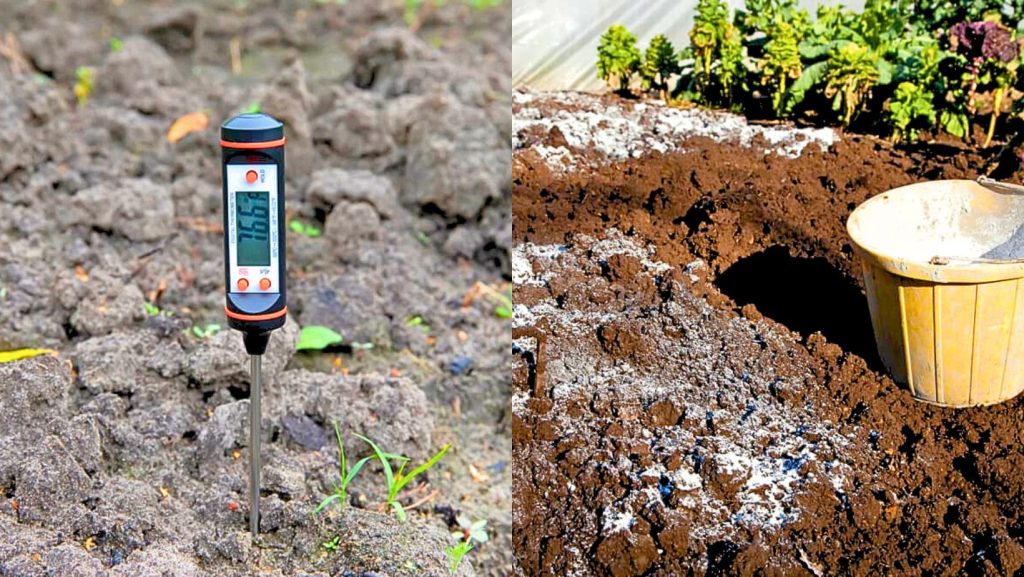
- pH Meters: Digital soil pH meters are a convenient alternative for gardeners seeking accuracy. These handheld devices are inserted directly into the soil, providing instant readings. They’re ideal for regular monitoring but can be more expensive than kits. Additionally, calibration is required to maintain accuracy.
- Professional Soil Testing Labs: For the most reliable results, you can send soil samples to a professional lab. This option offers comprehensive analysis, providing not only pH levels but also detailed insights into nutrient composition and organic matter. It’s particularly beneficial for larger garden plots or for gardeners who want thorough feedback. However, this method is time-consuming and may incur additional costs.
Once you’ve determined your garden’s soil pH, it’s essential to interpret the results effectively. Generally, a pH of 6.0 to 7.0 is considered optimal for most garden plants, allowing for maximum nutrient absorption. However, if your soil pH falls below 6.0, it is deemed acidic, while readings above 7.0 indicate alkaline conditions. Understanding these extremes will help you make informed decisions about necessary adjustments.
For those wanting to enhance their gardening skills, it might be worth diving deeper into understanding how pH levels affect various plant types. Did you know, for example, that leafy greens like spinach thrive in a slightly acidic environment, while many perennial flowers prefer neutral pH? This knowledge not only guides your plant selection but also empowers your overall landscape design.
Keep in mind that soil composition and environmental factors can also influence pH, so it’s advisable to monitor your garden regularly. Most regions across the United States will have unique soil characteristics that can shift with season changes or weather patterns. Armed with this information, you can take the necessary steps to adjust soil pH, ensuring optimal health for your plants.
Adjusting Soil pH: Key Strategies
Now that you comprehend the importance of testing soil pH, the next logical step involves learning how to adjust soil pH effectively. Depending on whether your soil is too acidic or too alkaline, there are specific amendments you can employ to create a more favorable growing environment. Here’s a closer look at some common practices:
- Raising Soil pH: If your readings indicate that your soil is too acidic, adding lime is the most common solution. Ground limestone or hydrated lime can gradually elevate pH levels. Incorporating wood ashes or bone meal into the soil can also help increase alkalinity over time.
- Lowering Soil pH: On the other hand, if your soil is too alkaline, you may want to consider adding elemental sulfur or aluminum sulfate. These amendments can help reduce pH levels more rapidly than lime, though be cautious—applying too much can lead to drastic shifts in pH.
- Soil Organic Matter: Regardless of your soil pH, enriching your garden with organic matter, such as compost or well-rotted manure, can enhance soil texture and improve overall nutrient availability. This practice is beneficial for long-term health and can help buffer pH changes.
Understanding these strategies will empower you to adjust your soil’s pH, creating a harmonious environment that supports plant vitality and productivity.
Understanding Soil pH Testing Methods
To successfully manage your garden’s health, knowing how to test your soil pH is essential. There are several methods available, ranging from DIY options to professional lab tests. Each method has its own set of advantages, ensuring you can find a suitable option that aligns with your gardening needs.1. DIY Testing Kits: Available at garden centers or online, DIY soil pH testing kits provide a convenient way to gauge your soil’s acidity or alkalinity. These kits often include pH test strips or powders that you mix with soil samples. The results are typically easy to interpret, making them a great choice for new gardeners looking to explore soil conditions.2. pH Meters: For more precise readings, pH meters offer an electronic solution to soil testing. With a simple probe insertion, you can receive immediate and accurate feedback on your soil’s pH level. These meters are especially beneficial for gardeners who frequently adjust soil conditions, allowing for real-time monitoring.3. Laboratory Analysis: For the most comprehensive understanding of soil health, consider sending samples to a local agricultural extension service or soil testing laboratory. These labs conduct extensive analyses, including pH testing, nutrient levels, and organic matter content. While this option typically involves a fee, the detailed reports provide invaluable insights that can guide your gardening practices.Understanding these options empowers you to take charge of your garden’s maintenance. Once you’ve measured the soil pH, the next step is realizing how to adjust it according to the specific needs of the plants you wish to cultivate. Let’s explore various methods for adjusting soil pH effectively.
| Category | Details |
|---|---|
| DIY Kits | Reasonably priced and user-friendly for beginners. |
| pH Meters | Offers accurate, quick results for ongoing adjustments. |
| Laboratory Analysis | Comprehensive insights include pH, nutrients, and organic content. |
By utilizing these testing methods, you’ll be well on your way to understanding and adjusting the soil pH levels in your garden, ensuring optimal growth for your plants.
DIVE DEEPER: Click here for expert tips
Monitoring and Maintenance of Soil pH
Once you’ve tested and adjusted your garden’s soil pH, the journey doesn’t end there. Maintaining optimal pH levels is a continuous effort that can significantly impact plant growth and yield. Here are some strategies and practices you can employ to ensure long-term pH stability in your garden:
- Regular Testing: The foundation of effective management is consistent monitoring. It’s advisable to conduct soil tests at least once a year, ideally in the spring before planting season. This practice allows you to catch any shifts in pH early and make necessary amendments promptly. Different plants may also have specific seasonal needs, so keeping tabs on these changing requirements is key.
- Soil Amendments Timing: When you need to adjust soil pH, timing is crucial. If you’re raising soil pH by adding lime, doing this several months before planting is recommended. Lime takes time to work, often requiring up to a year to produce significant changes. Conversely, when adding sulfur to lower soil pH, it can act faster and may be effective shortly before planting.
- Cover Crops and Mulching: Implementing cover crops or organic mulches can help maintain soil pH. Certain cover crops, like clover, can fix nitrogen and bolster soil health, indirectly supporting pH balance. Organic mulches, such as wood chips or shredded leaves, not only improve soil structure but also contribute decomposed organic matter, fostering a more stable pH level.
- Water Quality: Pay attention to the quality of your irrigation water, as it can influence soil pH. In some areas, municipal water supplies may have elevated pH levels due to minerals present in the water. If you notice significant pH changes in your soil following irrigation, consider testing your water source to better understand its impact on your garden.
In addition to these strategies, it’s essential to recognize the importance of diversity in planting as a means to stabilize pH. Different plant species contribute various organic materials, which can alter soil chemistry positively. For example, deep-rooted plants may bring nutrients from deeper soil layers, while life cycles of annuals and perennials introduce different organic inputs over time. Understanding these relationships enhances your garden ecosystem and contributes to maintaining pH balance.
Furthermore, the use of native plants can be advantageous for soil health, as they are well-adapted to local conditions and often require fewer amendments. Researching native plant species that thrive in your region can yield beneficial results, as these plants are naturally suited to the soil characteristics of your area.
Lastly, engage with local gardening communities or extension services. These resources can offer tailored advice based on your specific soil type and regional conditions. With this ongoing engagement, you can refine practices to adjust and maintain soil pH, creating a flourishing garden dedicated to sustainable growth.
DIVE DEEPER: Click here to learn more
Final Thoughts on Soil pH Management in Your Garden
In conclusion, mastering the art of testing and adjusting soil pH is pivotal for cultivating a successful garden. It’s not merely about achieving the right pH level but sustaining it over time to foster healthy plant growth. Regular soil testing is essential; make it a habit to check your soil at least once a year, especially before planting season. Not only will it provide insight into necessary amendments, but it will also serve as a snapshot of the underlying health of your garden.
Implementing timely soil amendments, such as lime and sulfur, can effectively alter pH levels, but patience is vital—many adjustments take time. Additionally, incorporating cover crops and organic mulching can greatly contribute to long-term pH stability by enriching the soil with organic material. Keep a keen eye on the quality of your irrigation water as well; the minerals contained in it can have significant effects on soil pH.
By embracing biodiversity through various plant species and introducing native plants suited to local conditions, you not only enhance soil health but also create a vibrant ecosystem that instinctively maintains its balance. Connecting with local gardening communities can provide unique insights tailored to your specific region, offering further learning opportunities to refine your gardening practices.
Ultimately, the intersection of science and nature in your garden is where success lies. By taking the time to understand and manage soil pH, you are investing in bountiful harvests and a thriving garden environment. So gear up, stay informed, and enjoy the rewarding journey of nurturing your own green sanctuary.

Linda Carter
Linda Carter is a gardening writer and home-growing specialist who helps beginners cultivate thriving home gardens. With extensive experience guiding new gardeners through plant selection and sustainable growing techniques, she shares practical gardening strategies on our platform. Her goal is to empower readers with actionable advice and step-by-step strategies to successfully grow their own food and create beautiful, productive gardens at home.