Natural Pest Control Methods for Beginner Gardeners
Understanding Natural Pest Control Methods
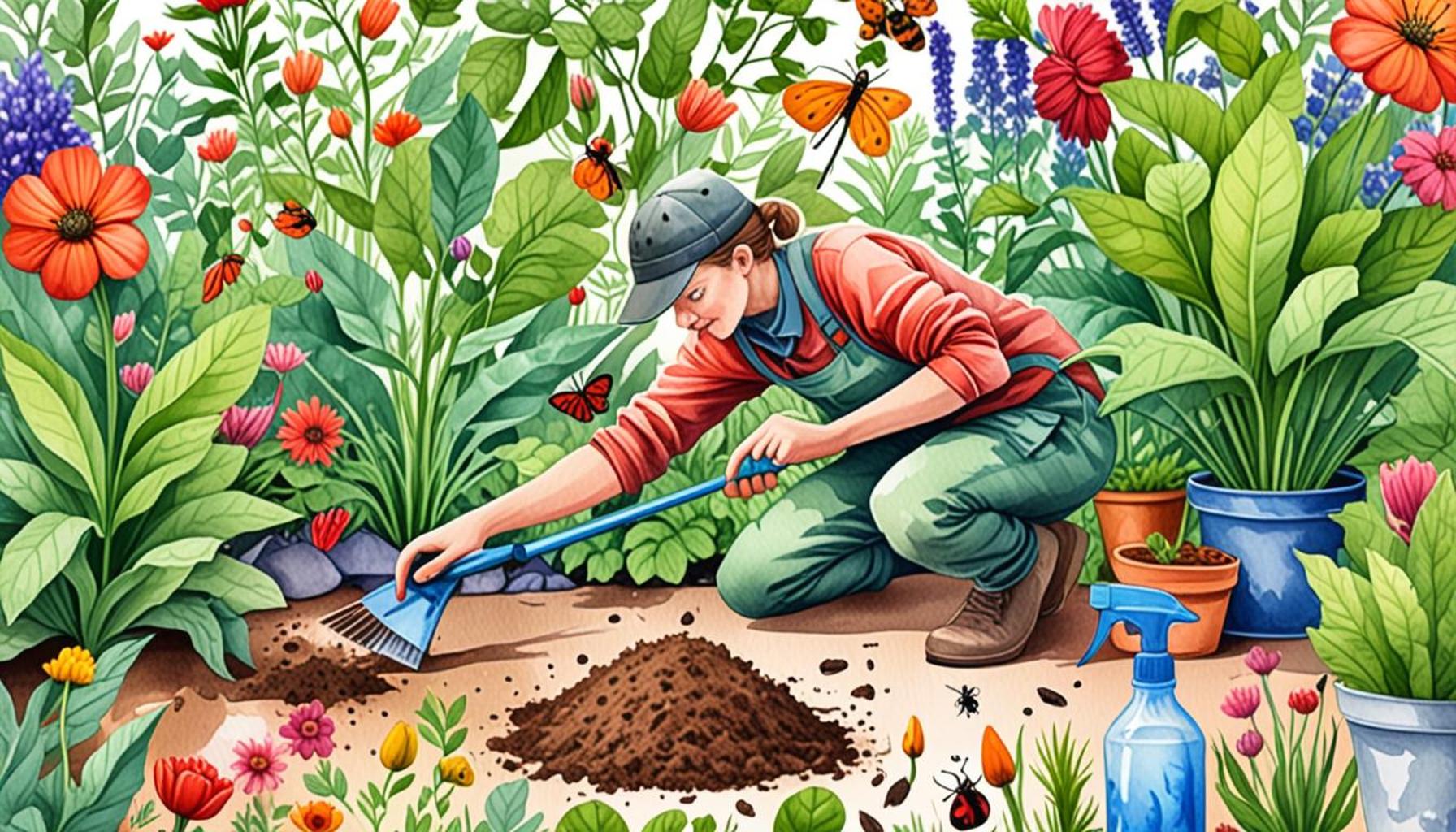
Gardening in the United States can be both a fulfilling hobby and a source of fresh produce. However, it can also present a host of challenges, particularly when confronted with various pests that threaten the health of your plants. Fortunately, there are natural pest control methods that go beyond conventional pesticide use, offering safer and environmentally-friendly alternatives.
By incorporating these practices into your gardening routine, you not only protect your plants but also contribute positively to the surrounding ecosystem. Let’s explore how these methods can enhance your gardening experience:
- Non-Toxic Solutions: One of the greatest benefits of natural pest control is the ability to safeguard your garden without exposing it to harmful chemicals. Products used in conventional agriculture can leach into the soil and waterways, posing risks to both wildlife and humans. Natural alternatives allow you to maintain the integrity of your garden’s environment.
- Encourages Biodiversity: Healthy ecosystems thrive on variety. By using methods that attract beneficial insects like ladybugs and lacewings, you create a balanced environment. These natural predators help control pest populations, reducing the need for intervention.
- Cost-Effective: Many natural pest control solutions are readily available at home or can be made from easily sourced ingredients. For example, a simple spray made from garlic or chili pepper can deter a variety of pests without breaking the bank.
Popular Natural Pest Control Techniques
Implementing natural pest control strategies can significantly reduce pest-related issues while promoting a more sustainable approach to gardening. Here are some established techniques:
- Diatomaceous Earth: This fine powder, derived from fossilized aquatic organisms, is highly effective against crawling insects like ants, roaches, and slugs. When sprinkled around the base of plants, it works by dehydrating pests that come into contact with it, making it a formidable but non-toxic barrier.
- Neem Oil: Extracted from the seeds of the neem tree, this organic pesticide disrupts the hormonal systems of pests, halting their growth and reproduction. It’s particularly beneficial for managing aphids and spider mites, making it a staple in the pest control toolkit of many gardeners.
- Companion Planting: This age-old technique involves strategically planting certain flowers or herbs alongside vegetables to repel pests. For instance, marigolds are known for their ability to ward off nematodes, while basil can help keep flies and mosquitoes at bay. Such practices build a compact and naturally fortified garden.
By embracing these natural pest control methods, beginner gardeners can create vibrant, thriving spaces while being kind to the planet. Understanding these techniques not only instills confidence but encourages further exploration into the diverse world of gardening. Whether you are tending to a small balcony garden or managing a larger plot, integrating these eco-friendly practices will undoubtedly lead you to a more rewarding gardening journey.
DIVE DEEPER: Click here to learn about the advantages of deep watering
Exploring Effective Techniques for Natural Pest Control
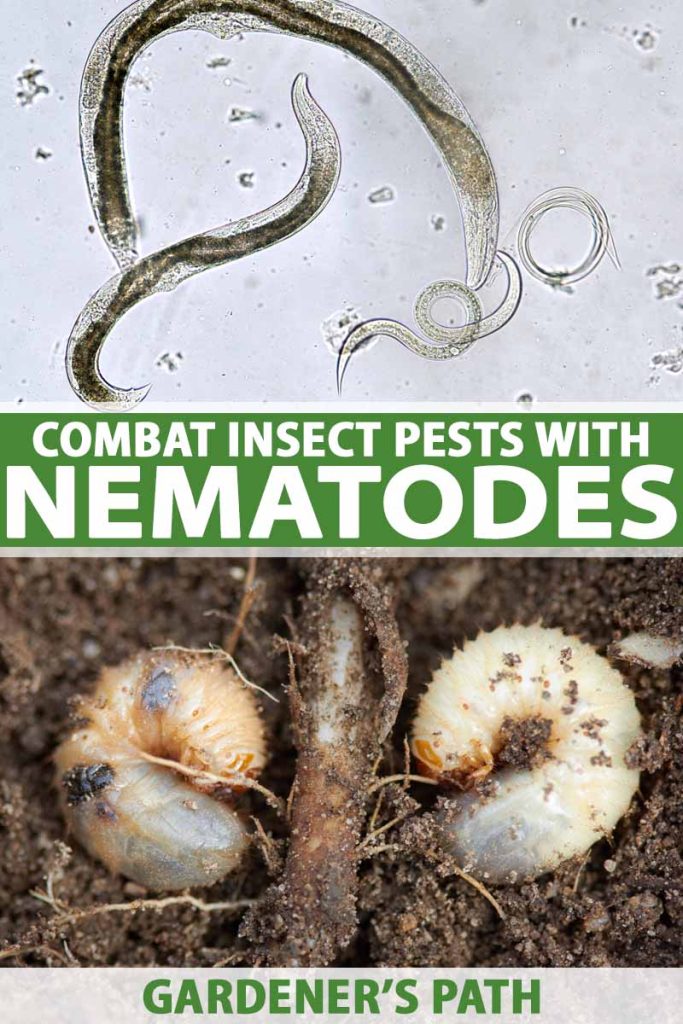
For beginner gardeners, navigating the intricacies of pest management can be daunting. With a myriad of insects and critters vying for your plants, understanding foundational natural pest control methods is essential for ensuring a healthy and flourishing garden. These methods not only provide a viable alternative to chemical pesticides but also foster a nurturing environment for both plants and wildlife.
One of the key elements in natural pest control is identifying which pests pose a threat to your garden and understanding their lifecycle. This knowledge allows gardeners to be more proactive rather than reactive. Do some diligence to observe the pest behaviors in your patch, as timing can be paramount in your defense strategy. Below are tried-and-true techniques that serve as effective solutions for managing these critters, keeping your approach both organic and sustainable:
- Cultural Practices: Altering your gardening practices can significantly reduce pest populations. Techniques such as crop rotation and proper spacing between plants not only minimize competition but also disrupt pest habitats. This method works ideally for common issues like root maggots and caterpillars. For instance, rotating families of plants can limit pest buildup in the soil.
- Handpicking: It may seem simple, but handpicking pests can be one of the most effective methods, particularly for larger insects like beetles and caterpillars. Regularly inspecting your plants and removing pests can greatly reduce infestations without harming beneficial insects, making it a straightforward tactic for new gardeners.
- Homemade Sprays: Using common household items to create sprays can provide a layer of protection for your plants. A mixture of water and soap can help combat soft-bodied insects like aphids and spider mites. Additionally, a blend of essential oils like peppermint and eucalyptus offers a natural deterrent to a range of pests, leaving your garden smelling fresh.
Moreover, incorporating diversity into your garden can significantly bolster your defenses against pests. By planting a mix of species, you can disrupt pest behavior. Diverse plantings attract beneficial insects that prey on common pests, offering natural control without synthetic interventions. Techniques such as intercropping, which involves planting different crops in close proximity, can also enhance the ecosystem’s resilience.
Understanding and utilizing these natural pest control methods empowers beginner gardeners to take charge of their pest management strategies confidently. Rather than relying solely on store-bought solutions, embracing these techniques fosters a more sustainable gardening approach. As you engage with these practices, you might find not just improved plant health and output, but also an enriched connection with the land and its natural rhythms.
| Natural Method | Benefits |
|---|---|
| Companion Planting | Enhances crop growth and reduces pest prevalence by attracting beneficial insects. |
| Neem Oil | Effective against a wide range of pests while being safe for plants and pets. |
| Diatomaceous Earth | Naturally damages the exoskeleton of insects, providing an effective barrier. |
| Garlic Spray | Strong scent repels many pests without harming beneficial insects. |
Exploring Natural Pest Control Methods can revolutionize the way beginner gardeners protect their plants. By understanding these effective strategies, you can cultivate a thriving garden without the reliance on synthetic chemicals. Each method highlighted not only addresses pest control but also promotes a healthier ecosystem within your garden. Learning about Companion Planting helps in selecting plant pairs that work together to fend off unwanted pests while enhancing nutrient absorption. Meanwhile, products like Neem Oil and Diatomaceous Earth leverage nature’s own ingredients to combat infestations effectively. Trying out Garlic Spray can introduce a simple, yet potent tool into your pest prevention arsenal, ensuring you maintain a vibrant garden environment. Consider incorporating these techniques to witness the benefits firsthand.
DISCOVER MORE: Click here for essential tips
Utilizing Biological Controls in Your Garden
Another fascinating aspect of natural pest control methods is the use of biological controls. This approach involves harnessing the power of nature’s own predators to keep pest populations in check. For novice gardeners, understanding how to implement and maintain a balance between beneficial organisms and pest species can dramatically enhance their gardening efforts.
One of the most popular biological control methods is the introduction of beneficial insects. Ladybugs, lacewings, and parasitic wasps are effective predators of harmful pests like aphids, whiteflies, and caterpillars. In fact, a single ladybug can consume upwards of 5,000 aphids in its lifetime! By creating an enticing habitat for these allies, such as including flowering plants that provide nectar and pollen, you can invite them to your garden and establish a natural balance. Additionally, many garden supply stores offer live beneficial insects that can be released directly into your garden—just be sure to release them in the evening, as they are more active at night.
Moreover, utilizing microbial pesticides is another layer of defense that beginner gardeners can explore. Products containing beneficial bacteria such as Bacillus thuringiensis (Bt) specifically target certain pests without harming bees or other beneficial insects. Bt is especially effective against caterpillars, making it an ideal choice for those often battling cabbage worms or tomato hornworms. These options can be found at gardening centers and used in accordance with label instructions to ensure safe and effective application.
Harnessing Natural Barriers and Repellents
Creating physical barriers can offer an additional safeguard against unwanted pests. For example, using row covers can shield young plants from insects while allowing sunlight and moisture to penetrate. These lightweight, breathable fabrics can be particularly helpful in protecting crops during the establishment phase. A well-placed floating row cover can deter pests like flea beetles and cabbage moths, giving your seedlings a fighting chance.
Additionally, natural repellents can be a gardener’s best friend when it comes to preventing infestations. Planting herbs and flowers such as marigolds, rosemary, and mint can serve as natural deterrents due to their strong scents. These aromatic plants can repel a variety of pests while also enhancing the overall aesthetics of your garden. For instance, marigolds are often planted near vegetables to deter nematodes and common insect pests, making them a dual-purpose plant.
Consider creating your own organic repellents by steeping garlic or hot pepper in water and spraying it on affected plants. These sprays can create an unpalatable environment for pests while being safe for humans and beneficial organisms alike. Through such methods, beginner gardeners can foster a harmonious ecosystem that not only curtails pest invasions but also promotes biodiversity.
With the right knowledge and tools, embracing these natural pest control methods empowers beginner gardeners to cultivate thriving ecosystems within their gardens. As relationships develop between plants and their natural allies, the experience of gardening can turn from a laborious chore into an exciting journey of discovery and reciprocity with nature.
DISCOVER MORE: Click here for tips on crafting a perfect watering schedule
Conclusion: Embracing Nature for Sustainable Gardening
In conclusion, as beginner gardeners venture into the rewarding world of gardening, the challenge of pest control may initially seem daunting. However, by harnessing natural pest control methods, gardeners can cultivate not only healthier plants but also a thriving ecosystem right in their backyards. By introducing beneficial insects, utilizing microbial pesticides, and creating natural barriers, beginners can effectively manage pests without resorting to synthetic chemicals.
It’s crucial for novice gardeners to realize that every garden is unique, and experimenting with different techniques can lead to discoveries that enhance their gardening experience. Incorporating plants known for their pest-repelling properties, such as marigolds or mint, not only beautifies the garden but plays a vital role in maintaining the delicate balance of nature.
As you embark on this green journey, remember that patience and observation are key. Monitor your garden’s health, adapt your strategies as needed, and celebrate the victories—both big and small. Over time, you will develop a richer understanding of the interconnectedness between plants, pests, and beneficial organisms.
By adopting these natural approaches, you will find yourself not just nurturing a garden, but also fostering a sense of harmony between your plants and their environment. With the right knowledge and care, your gardening journey can be transformed into an exciting adventure filled with learning and discovery—one where nature leads the way. So, roll up your sleeves, embrace these methods, and watch your garden flourish!

Linda Carter
Linda Carter is a gardening writer and home-growing specialist who helps beginners cultivate thriving home gardens. With extensive experience guiding new gardeners through plant selection and sustainable growing techniques, she shares practical gardening strategies on our platform. Her goal is to empower readers with actionable advice and step-by-step strategies to successfully grow their own food and create beautiful, productive gardens at home.