How to Choose and Prepare the Ideal Soil for Beginner Home Gardening
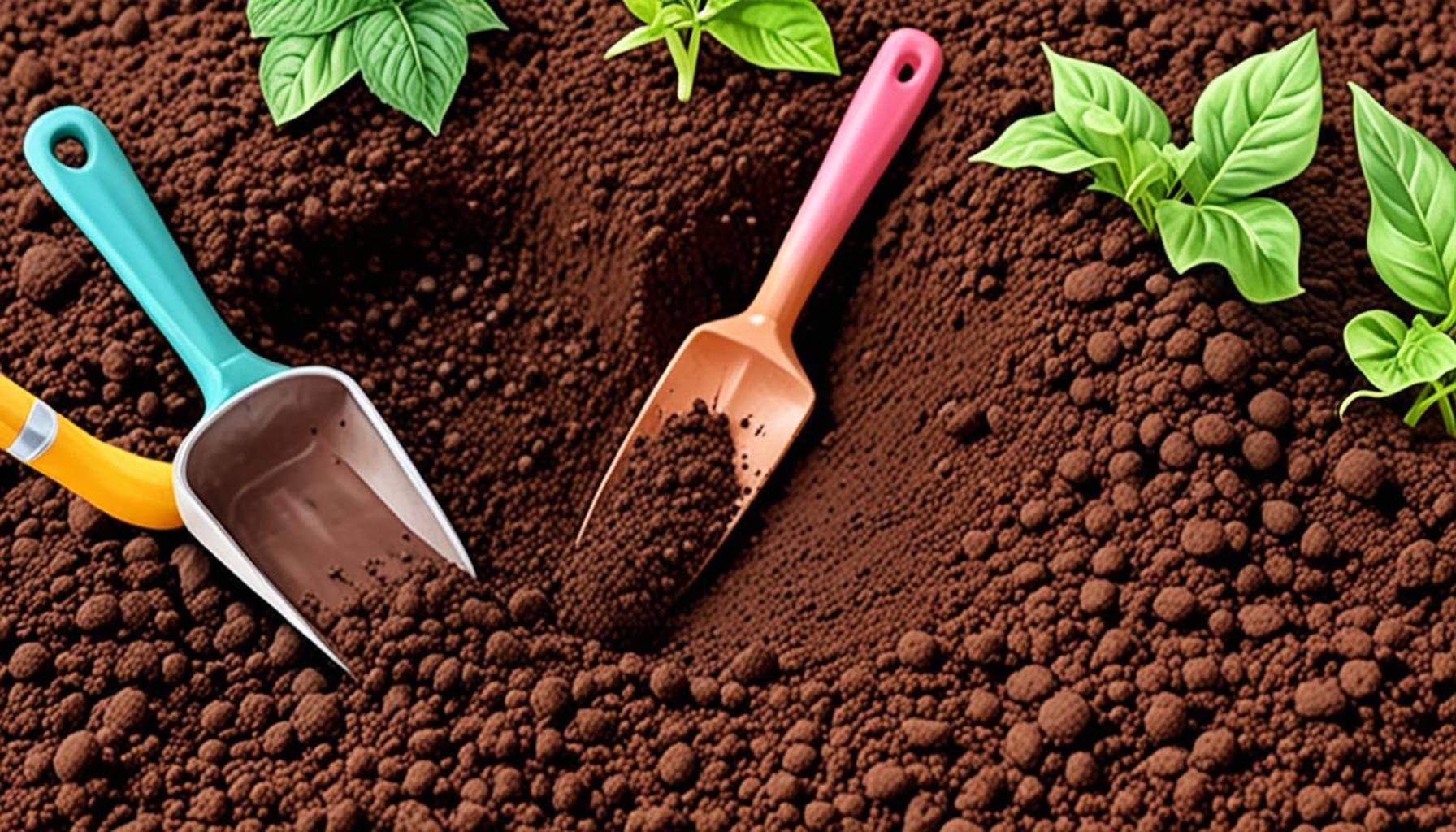
Unlocking the Secrets to Great Soil
Soil is often referred to as the foundation of gardening. For beginner home gardeners, understanding how to choose and prepare the ideal soil can be both exciting and overwhelming. The right soil not only enhances plant growth but also helps ensure a bountiful harvest. This integral component of gardening deserves careful attention, as it can mean the difference between a vibrant garden and a struggling one.
Why Soil Matters
Soil quality impacts several aspects of gardening, including:
- Nutrient availability: Plants require essential nutrients such as nitrogen, phosphorus, and potassium to thrive. The soil acts as a reservoir for these nutrients, which plants absorb through their roots. Poor soil can lead to deficiencies, causing stunted growth or poor yields.
- Drainage and aeration: The structure of the soil significantly affects its drainage capabilities. Inadequate drainage can lead to waterlogged soil and root rot, while good aeration ensures that roots can breathe and access vital oxygen, essential for plant health.
- Microbial activity: Healthy soil hosts a diverse array of beneficial organisms, including bacteria, fungi, and earthworms, all of which engage in symbiotic relationships with plants. They help decompose organic matter, enrich the soil, and improve nutrient availability.
Steps to Choose the Right Soil
Choosing the right soil involves knowing the specific needs of your plants. Here are key factors to consider:
- Soil type: Understand the different soil classifications: sandy soils, which drain quickly but lack nutrients; clay soils, which retain moisture but can become compacted; and loamy soils, a balanced mix ideal for most plants. A soil test can help determine your existing soil type and guide you in making improvements.
- pH levels: Soil pH is a critical factor that influences nutrient availability. Most garden plants thrive in slightly acidic to neutral soil, with pH levels ranging from 6.0 to 7.0. Regular pH testing, using kits available at garden centers, allows you to monitor soil conditions and amend as necessary.
- Organic matter: Enhancing soil fertility is crucial for a thriving garden. Incorporating organic materials such as compost, well-rotted manure, or leaf mold can improve soil structure, increase moisture retention, and boost biological activity. A thick layer of mulch can also suppress weeds and prevent moisture loss.
With this foundational knowledge, you are poised to make informed decisions for your garden. Remember that soil is a living entity that requires ongoing care and attention. Whether you are nurturing a vegetable patch in your backyard or cultivating flowers in pots, the health of your soil will significantly influence your gardening success. Stay tuned as we dive deeper into soil preparation techniques and best practices that can transform your gardening experiences into fruitful endeavors.
DISCOVER MORE: Click here for natural pest control tips
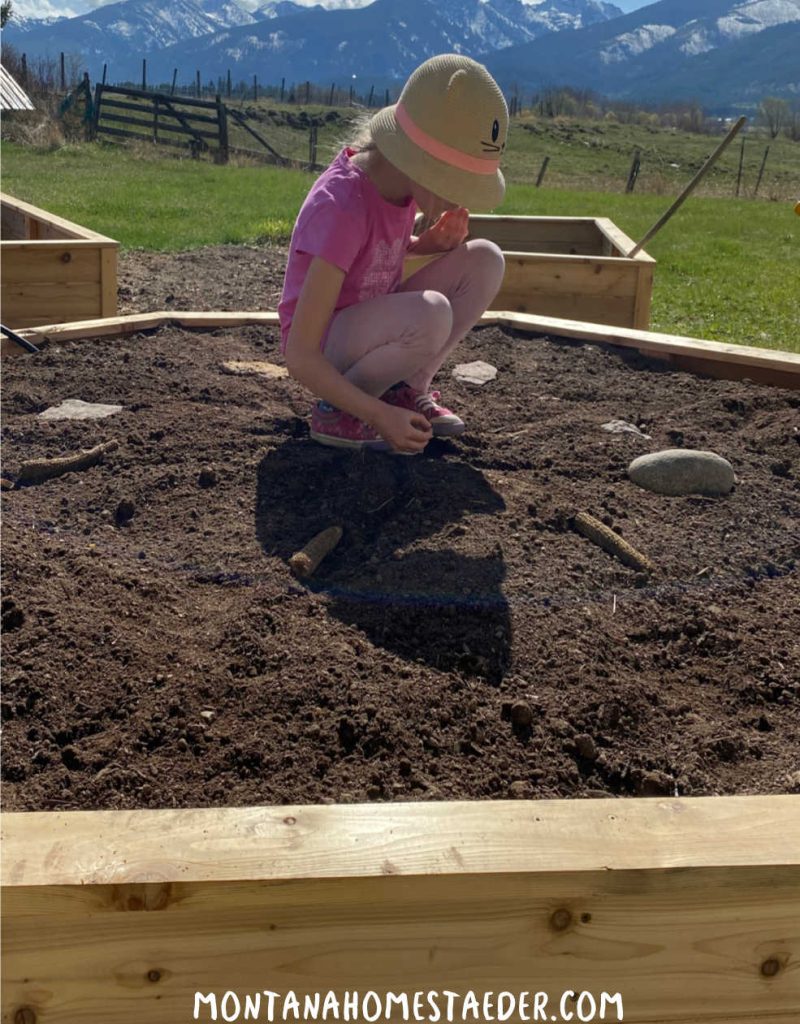
Essential Criteria for Selecting the Right Soil
Every successful garden starts with a strong foundation, and for beginner home gardeners, selecting the right soil is paramount. With a plethora of options available, knowing what to look for can make your gardening journey not only productive but also enjoyable. Here are some essential criteria to help you identify and choose the ideal soil for your specific gardening needs.
Understanding Different Soil Components
Soil is not just a simple mixture of dirt; it comprises various components that play specific roles in plant growth. Familiarizing yourself with these components can lead to better soil choices:
- Minerals: These are the building blocks of soil, including sand, silt, and clay. Each has its characteristics, affecting everything from drainage to nutrient retention. For example, sandy soil drains quickly but may require more frequent watering, while clay soils retain moisture but can become compacted.
- Organic Matter: This includes decomposed plants and animals, providing essential nutrients and improving soil structure. A high percentage of organic matter enhances moisture retention and supports beneficial microbial life.
- Air and Water: Good soil must contain air spaces that allow for root respiration and sufficient water retention. The balance of these elements influences the health of your plants significantly.
Evaluating Soil Texture
One key indicator of good soil is its texture, which refers to the proportion of sand, silt, and clay particles it contains. A simple way to evaluate soil texture is through the ribbon test, which provides insight into the soil’s feel and its capabilities:
- Sandy soils: Feel gritty and do not hold together well. While they provide excellent drainage, these soils often require additional organic materials to retain moisture.
- Clay soils: Feel sticky and can clump together easily. While they retain moisture, these soils can lead to drainage problems if not aerated properly.
- Loamy soils: A mixture of sand, silt, and clay, loamy soils are recognized as the golden standard. They provide the best balance of drainage and nutrient retention, making them suitable for a wide range of plants.
It’s essential to remember that the ideal soil will vary based on what you intend to plant, whether you wish to cultivate lush vegetables, vibrant flowers, or low-maintenance perennials. Understanding the specific requirements of your garden’s inhabitants can help narrow down your choices and boost your chances of success. As you embark on this journey, consider conducting a soil test to gain valuable insights into the nutrient levels and pH balance of your existing garden soil. With this information at hand, you can make informed decisions about amendments or the types of soil that will suit your gardening goals.
As you move forward, stay curious and be ready to learn. Your soil will not only nourish your plants but also become an integral part of your gardening adventure. In the next section, we’ll explore practical strategies for preparing your soil for planting, ensuring a healthy start to your garden’s growth.
When it comes to establishing a flourishing home garden, understanding the intricacies of soil composition is pivotal. Soil quality directly impacts plant growth, nutrient absorption, and overall garden health. Therefore, focusing on the right elements is essential. First and foremost, consider the soil type. The three main types include sandy, clay, and loamy. Sandy soil, while quick-draining, often lacks nutrients, whereas clay retains moisture but may become compacted, hindering root growth. Loamy soil, a balanced mixture of sand, silt, and clay, is often deemed ideal for most plants due to its fertility and drainage properties. Next, pay attention to soil pH, as this influences nutrient availability. Most garden plants thrive in a slightly acidic to neutral pH range of 6.0 to 7.0. Conducting a simple soil test can provide insight into your garden’s pH level and guide necessary amendments. Adding organic matter, such as compost or well-rotted manure, not only improves fertility but also enhances soil structure. Moreover, consider enhancing microbial activity within the soil. Healthy soil is teeming with beneficial microorganisms that assist in breaking down organic material, aiding nutrient uptake for plants. You might also want to incorporate cover crops, which protect and enrich the soil during off-seasons and prevent erosion. Lastly, ensure proper soil aeration. Compacted soil restricts root growth and restricts moisture penetration. Regular tilling and the addition of organic materials will promote aeration, allowing roots to spread and thrive.In summary, selecting and preparing the ideal soil for your home garden is not merely a step; it’s an ongoing process that evolves with each planting season. By understanding your soil’s unique characteristics and making informed amendments, you set the tone for a lush and productive garden. Consider exploring more about high-quality amendments and innovative techniques to optimize your home gardening experience.
| Soil Type | Characteristics |
|---|---|
| Sandy Soil | Quick-draining, but low in nutrients |
| Clay Soil | Holds moisture, can become compacted |
| Loamy Soil | Ideal mix of sand, silt, and clay, nutritious |
With this foundational knowledge, you’re well on your way to choosing the perfect soil, setting your garden up for success.
DISCOVER MORE: Click here to learn about natural pest control
Preparing Soil for Optimal Growth
Once you’ve successfully chosen the right type of soil for your garden, the next phase involves preparing it for planting. This step is critical because well-prepared soil enhances plant growth and health, leading to bountiful yields. Below are some practical strategies to ensure your soil is in the best condition before you begin your gardening journey.
Soil Amendments: Enhancing Your Soil
Soil amendments are materials added to soil to improve its physical or chemical properties. Each amendment serves a specific purpose and should be chosen based on the composition of your soil and the needs of the plants you intend to grow. Let’s explore some common soil amendments:
- Compost: This is decomposed organic matter that enriches the soil with nutrients. Adding compost not only improves soil structure but also increases moisture retention, which is particularly beneficial in sandy soils.
- Peat Moss: Excellent for increasing organic matter, peat moss enhances water retention and aeration. Its acidity can also help if you’re working with alkaline soils.
- Perlite or Vermiculite: These are light materials that improve aeration and drainage, making them great additions to clay-heavy or compacted soils.
- Gypsum: If your soil is high in clay, gypsum can improve soil structure and drainage without altering its pH.
It’s essential to test your soil before adding amendments. Soil testing kits are available at local garden centers or online and can provide valuable information about nutrient levels, organic matter, and pH levels. Armed with these insights, you can apply the right balance of amendments to create a thriving growing environment.
Tilling: Break Ground for Better Air Exchange
Tilling refers to turning the soil to aerate it and incorporate amendments effectively. This process can significantly enhance root development and nutrient absorption. However, it’s important to touch on the different methods of tilling to best suit your gardening ambitions:
- Hand Tilling: For smaller gardens and flower beds, using a spade or garden fork to turn the soil is ideal, allowing you to control the depth and area.
- Rototilling: For larger plots, a rototiller can be a time-efficient alternative. However, be cautious—too much tilling can disturb the soil structure and microorganism habitats.
When tilling, aim for a depth of about 12 inches to ensure that the roots have ample space to penetrate. Remember to avoid tilling when the soil is wet, as this can lead to compaction, negating some benefits you are trying to achieve.
Testing Soil pH: Achieving the Right Balance
The pH level of your soil significantly influences nutrient availability and overall plant health. Most plants flourish best in a pH range of 6.0 to 7.0. Conducting a soil pH test will provide insights into whether your soil is acidic, neutral, or alkaline. Here are several options for adjusting soil pH:
- To Increase pH (make soil more alkaline): Incorporate lime, which not only raises pH but also adds calcium.
- To Decrease pH (make soil more acidic): Add sulfur or organic materials like pine needles or peat moss to lower the pH level.
Checking your pH and making adjustments can be a game changer, especially for vegetable gardens, as it ensures optimal nutrient uptake and growth potential.
In summary, paying close attention to soil preparation and enhancements can set the stage for a successful gardening experience. Each adjustment contributes to a flourishing ecosystem that not only benefits your plants but also nurtures the life found within the soil itself. In the next sections, we will delve into how to maintain your soil’s health through ongoing care and monitoring for a sustainable gardening experience.
DISCOVER MORE: Click here for natural pest control tips
Conclusion: Nurturing Your Gardening Journey
Choosing and preparing the ideal soil is the backbone of successful home gardening. By understanding the unique requirements of your plants and the specific characteristics of your soil, you lay a solid foundation that promotes growth, health, and productivity. As we’ve discussed, incorporating soil amendments like compost and peat moss not only enriches the soil but enhances moisture retention and aeration—crucial components for thriving plants.
Tilling is another essential practice that drives air and nutrients deeper into the ground, fostering strong root development and overall plant vigour. Whether you opt for hand tilling or rototilling, the goal remains the same: to optimize soil structure while preserving the rich microbial life that contributes to a balanced ecosystem.
Regularly testing soil pH emerges as a key factor in garden success, ensuring that you can adjust nutrient availability to match the needs of your plants. With a pH range ideally between 6.0 and 7.0, you’re enabling your vegetables, flowers, and herbs to flourish.
As you embark on your gardening adventure, remember that soil preparation is not a one-time task but an ongoing process. Regular care, such as monitoring nutrient levels and adjusting for seasonal changes, allows you to maintain the vitality of your soil. A well-prepared garden can lead to an abundance of lush flowers and crisp vegetables, making your gardening efforts not only satisfying but also rewarding. Dive deeper into soil science, and you’ll uncover endless knowledge that enhances your green thumb and nurtures your backyard oasis.
Related posts:
Benefits of Using Enriched Soil for Home Herb Cultivation
Mulching Practices: Conserving Moisture and Nutrients in Your Garden Soil
How to Identify and Fix Common Soil Problems in Home Gardening
Composting Techniques to Improve Soil in Home Gardens
Soil Aeration Techniques to Improve Plant Health in Home Gardens
Natural Composting Methods to Improve Soil in Home Gardens

Linda Carter is a gardening writer and home-growing specialist who helps beginners cultivate thriving home gardens. With extensive experience guiding new gardeners through plant selection and sustainable growing techniques, she shares practical gardening strategies on our platform. Her goal is to empower readers with actionable advice and step-by-step strategies to successfully grow their own food and create beautiful, productive gardens at home.