Benefits of Using Enriched Soil for Home Herb Cultivation
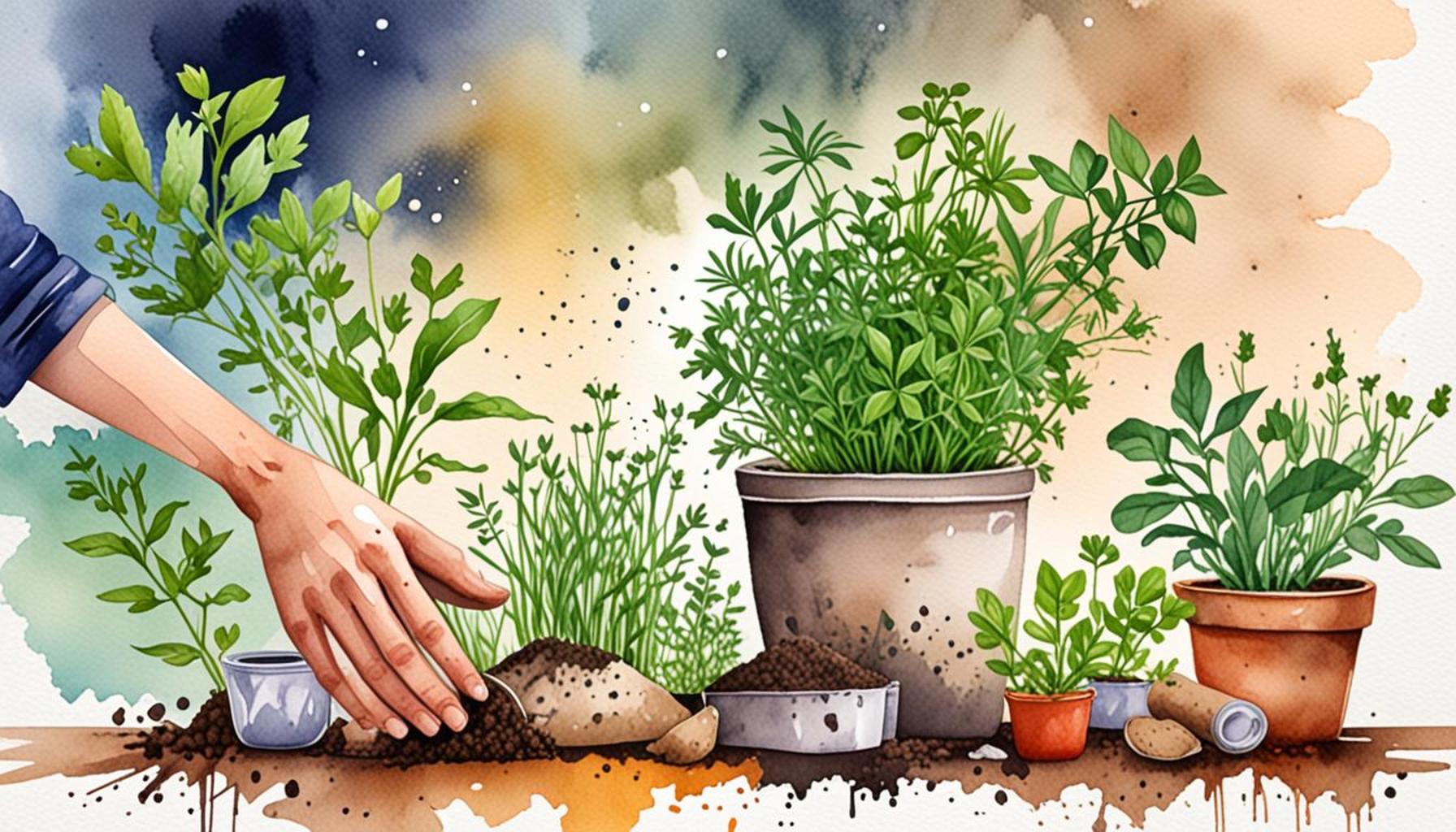
Unlock the Secrets of a Flourishing Home Herb Garden
Creating a thriving herb garden at home goes beyond merely growing plants; it invites the beauty of nature into your everyday life and enhances the flavor of your meals. Whether you are a seasoned gardener or a curious beginner, the importance of enriched soil in the success of your herb garden cannot be understated. The characteristics and composition of the soil you choose can significantly affect the vitality and yield of your herbs.
The Essentials of Enriched Soil
When embarking on your herb gardening journey, understanding the components of enriched soil is fundamental to nurturing robust plants. This type of soil is typically a blend of various organic materials that boost health and growth. Here are some of the key attributes that make enriched soil essential:
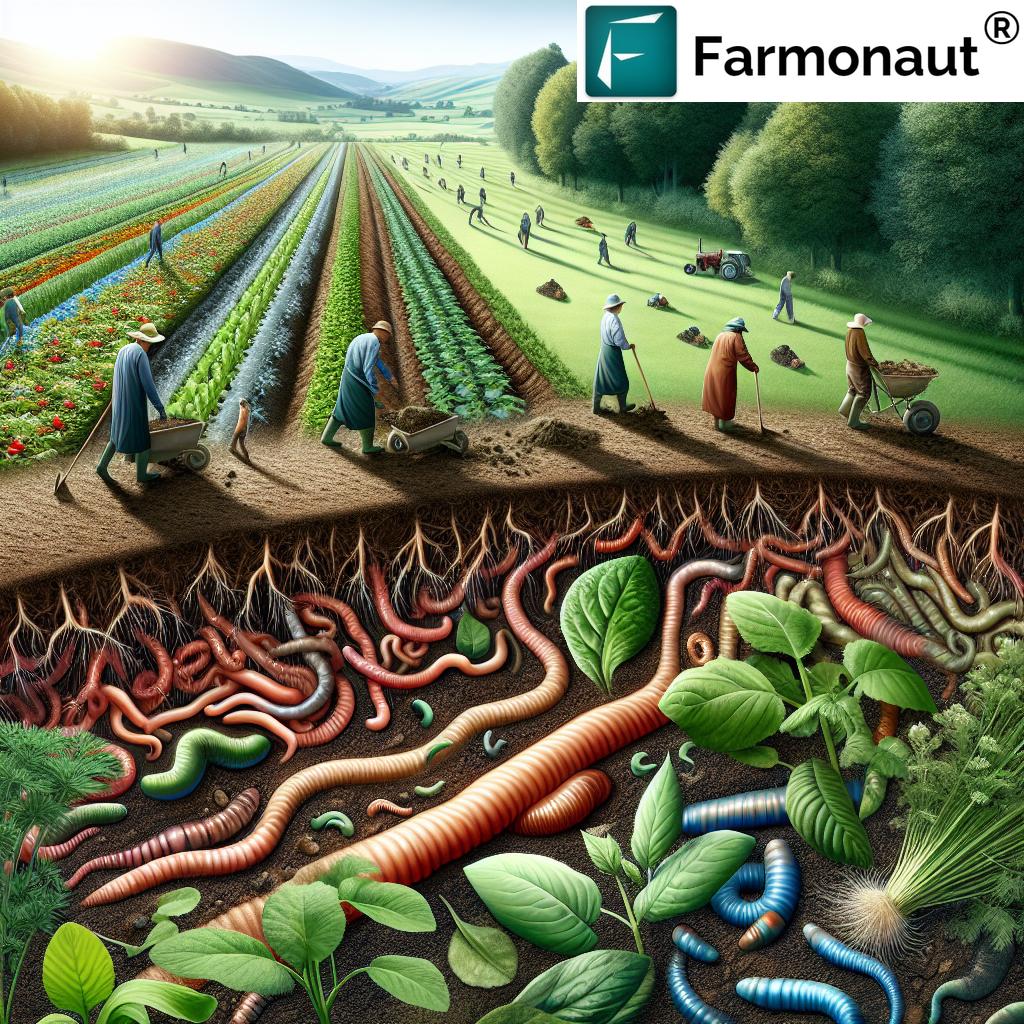
- Enhanced Nutrients: Healthy herbs require a balanced diet. Enriched soil, often fortified with organic matter, compost, and essential minerals, provides the necessary nutrients. For example, vermicompost, made from worm castings, can deliver a nutrient boost along with beneficial microbes that promote healthy plant growth.
- Increased Drainage: A good herb garden thrives in well-draining soil which prevents waterlogged conditions that can lead to root rot. By incorporating materials like perlite or sand into your soil mix, you can ensure excess moisture drains effectively, allowing your herbs to flourish without fear of decay.
- Better Microbial Activity: The presence of beneficial microbes and earthworms in enriched soil enhances nutrient availability. This microbial activity not only helps break down organic matter but also contributes to healthier root systems, which are crucial for water and nutrient uptake.
Popular Herbs to Grow in Enriched Soil
In the United States, certain herbs are particularly well-suited for cultivation in enriched soil. For instance, basil thrives in rich, well-drained soil and enjoys the added nutrients from compost. Likewise, rosemary, which prefers slightly drier conditions, benefits from good drainage that enriched soil provides. Thyme is another excellent candidate, relishing in nutrient-rich environments that boost its aromatic properties. These aromatic herbs can transform ordinary dishes into delightful culinary experiences.
The Benefits of a Thriving Herb Garden
Not only do home gardeners reap the rewards of fresh and flavorful herbs, but they also enjoy the therapeutic benefits of tending to their gardens. Research shows that engaging with plants can reduce stress and enhance mental well-being. Additionally, a vibrant herb garden adds aesthetic value to your home, creating a lush green space that invites beauty and serenity.
By grasping the significant advantages of using enriched soil, you are setting your herb garden up for success. It’s time to dig deeper into the soil you use and witness how it can revolutionize your herb cultivation efforts. Are you enthusiastic about the potential of your home herb garden? Discover practical tips and engaging methods to elevate your gardening experience today.
DISCOVER MORE: Click here to learn about how climate affects your garden’s harvest
The Advantages of Enriched Soil for Herb Growth
When it comes to growing herbs at home, enriched soil serves as the foundation for thriving plants. This nutrient-rich medium supports growth in several ways, resulting in a bountiful harvest and a more enjoyable gardening experience. Home gardeners who harness the benefits of enriched soil often gain a more extensive understanding of plant requirements and environmental factors that contribute to successful cultivation. Here are some of the primary advantages you can expect when utilizing enriched soil in your herb garden:
- Increased Yield: Healthy, nutrient-dense soil directly correlates with higher productivity. Herbs grown in enriched soil tend to produce more foliage and flavorful leaves, maximizing each harvest. Studies have shown that herbs cultivated in nutrient-rich environments can yield up to 30% more than those grown in standard soil.
- Improved Flavor Profile: The soil’s nutrient content significantly impacts the taste of herbs. Enriched soil provides the minerals and organic materials that herbs need to develop their unique flavors. For instance, a basil plant grown in nutrient-rich soil is likely to produce sweeter and more aromatic leaves compared to those cultivated in less fertile conditions.
- Resilience Against Pests and Diseases: Plants nurtured in enriched soil often show improved resistance to pests and diseases. The enhanced microbial activity in enriched soil helps foster a strong and healthy root system, providing herbs with greater vigor. This resilience not only protects your plants but reduces the need for chemical pesticides, making for a more organic gardening approach.
- Longevity of Plant Life: Enriched soil not only sets the stage for initial growth but also supports the long-term health of herb plants. With the continuous supply of nutrients, your herb garden can thrive over multiple growing seasons, allowing you to reap the benefits of home-grown herbs for much longer.
Each of these advantages highlights the power of enriched soil as a critical component of successful home herb cultivation. For anyone keen on maximizing their herb gardening endeavors, investing time and resources into preparing enriched soil offers rewarding benefits. Notably, this investment not only enhances plant growth and flavor but also elevates the overall gardening experience.
As you explore the realm of herb gardening, understanding and implementing enriched soil practices can lead to awe-inspiring results in your garden. Are you ready to transform your herb-growing efforts? Let’s delve deeper into the essential practices that optimize your enriched soil and, in turn, your herb garden’s flourishing potential.
| Category | Benefits |
|---|---|
| Nutrient-Rich | Enriched soil contains essential nutrients that promote robust growth, reducing the need for chemical fertilizers. |
| Enhanced Flavor | Herbs grown in enriched soil have superior taste and aroma, resulting in more flavorful dishes. |
| Water Retention | Improved soil structure holds moisture longer, allowing for fewer watering sessions, essential in dry seasons. |
| Microbial Activity | Enriched soils foster beneficial microorganisms, which help decompose organic matter and enhance nutrient availability for plants. |
The use of enriched soil not only cultivates healthier herbs but transforms your home gardening experience into a rewarding journey. By investing in quality, nutrient-rich soil, you are setting the stage for a flourishing herb garden that thrives with less intervention and more satisfaction. Imagine the delight of snipping fresh basil or oregano, bursting with flavor and aroma, directly from your home. The benefits are bountiful, making enriched soil an essential choice for any aspiring home herb cultivator. Discover the difference today!
DISCOVER MORE: Click here to learn about beginner-friendly aromatic plants
Optimizing Your Herb Garden with Enriched Soil
As you delve into the world of herb gardening, understanding how to effectively use enriched soil can significantly enhance not only your garden’s productivity but also your overall gardening experience. Besides the tangible benefits like increased yield and improved flavor profiles, there are additional aspects worth considering that demonstrate how enriched soil can elevate your herb-growing ventures.
Enhanced Soil Structure
Another notable advantage of using enriched soil is its ability to improve soil structure. Enriched soil typically contains organic matter, such as compost, which helps create a more crumbly texture. This improved structure enhances aeration and drainage, allowing roots to access the necessary oxygen and moisture easily. A well-structured soil reduces the risk of waterlogging, which can lead to root rot and other diseases that threaten herb plants. For example, growing herbs like cilantro or parsley in well-aerated soil encourages faster germination and robust root growth.
Increased Microbial Activity
Enriched soil not only provides essential nutrients but also fosters a thriving ecosystem of beneficial microorganisms. These microbes play a crucial role in breaking down organic matter, releasing nutrients that are readily available for plant uptake. Moreover, diverse microbial populations improve soil health by enhancing the soil’s ability to retain moisture and nutrients. This symbiotic relationship between herbs and soil microorganisms promotes plant growth, making it invaluable for home gardeners. The presence of mycorrhizal fungi, for instance, increases nutrient absorption for herbs, leading to healthier plants and more vibrant flavors.
Customizable Nutrient Profiles
One of the unique perks of working with enriched soil is your ability to customize the nutrient profile based on specific herb requirements. Different herbs vary in their nutrient needs; for instance, rosemary thrives in well-drained soil with minimal nutrients, while basil requires richer environments. By starting with a quality enriched soil base, you can tailor the soil by adding specific fertilizers or organic materials as needed, promoting optimal growth conditions for each herb variety.
Sustainable Gardening Practices
Utilizing enriched soil for herb gardening also aligns with sustainable practices. Enriched soils can be created using compost derived from kitchen scraps, yard waste, or other organic matter, which reduces landfill contributions and lowers environmental impact. This practice not only enhances your garden’s growth potential but also contributes to a more sustainable lifestyle. By composting, you create a closed-loop system, recycling waste while providing valuable nutrients to your plants.
Drought Resistance
Another often-overlooked benefit of enriched soil is its ability to improve drought resistance. With the incorporation of organic matter, enriched soils tend to retain moisture more effectively. This can be particularly advantageous during dry spells or in areas with water restrictions. Herbs like mint and thyme, known for their resilience, will thrive in enriched soil, allowing gardeners to maintain lush greenery even amidst challenging weather conditions.
In summary, enriched soil is a powerful asset in home herb cultivation. By improving soil structure, encouraging microbial activity, customizing nutrient profiles, promoting sustainability, and enhancing drought resistance, enriched soil sets the stage for a flourishing herb garden. With these strategies in mind, you’re well on your way to experiencing the full range of benefits that enriched soil has to offer in your journey toward successful home herb cultivation.
DISCOVER MORE: Click here to learn how to ensure your plants thrive
Conclusion
Incorporating enriched soil into your home herb garden represents a remarkable leap towards achieving not only lush greenery but also culinary enrichment and sustainability. By enhancing soil structure, you ensure that your herbs develop strong root systems that breathe easily while accessing vital nutrients. The double-sided benefit of increasing microbial activity fosters a living ecosystem capable of nutrient cycling, which ultimately enriches the flavors of the herbs you grow.
Furthermore, the flexibility to create customized nutrient profiles suited to various herb species allows you to cater to their specific needs, leading to healthier plants and possibly even higher yields. This individualized approach, coupled with the sustainable practices of using compost and organic matter, helps reduce waste and conserves environmental resources. As you cultivate herbs like cilantro and basil, the enhanced moisture retention abilities of enriched soil further assist in maintaining vibrant plants even during dry spells.
Ultimately, the benefits of using enriched soil are multifaceted, offering an avenue toward not just successful herb cultivation but an enjoyable gardening experience as well. By digging into the potential of enriched soil, you foster a flourishing herb garden that provides not only delight for your palate but also harmony with nature. For those keen on refining their gardening techniques, exploring the dynamic interaction between soil health and plant vitality is a rewarding endeavor. So, as you nurture your herb garden, remember that the foundation of your success lies beneath the surface, in the enriched soil that supports your growing aspirations.
Related posts:
Crop Rotation Practices for Beginners: How to Improve Soil Health
How to Choose the Ideal Soil for Different Types of Plants in Home Gardens
How to Identify and Fix Common Soil Problems in Home Gardening
Natural Composting Methods to Improve Soil in Home Gardens
How to Choose and Prepare the Ideal Soil for Beginner Home Gardening
How to Test and Adjust Soil pH for Healthy Plants at Home

Linda Carter is a gardening writer and home-growing specialist who helps beginners cultivate thriving home gardens. With extensive experience guiding new gardeners through plant selection and sustainable growing techniques, she shares practical gardening strategies on our platform. Her goal is to empower readers with actionable advice and step-by-step strategies to successfully grow their own food and create beautiful, productive gardens at home.