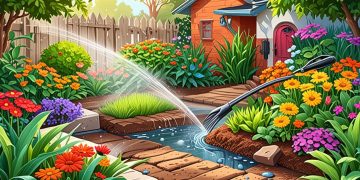
The Importance of Proper Irrigation for Beginner Gardeners
Proper irrigation is vital for beginner gardeners, ensuring healthy plant growth while conserving water. By understanding unique plant needs, timing, and effective methods like drip irrigation, you can enhance soil health and promote sustainability. Mastering these techniques will lead to a thriving, vibrant garden while minimizing waste.
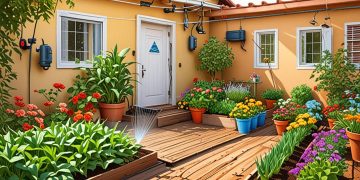
Automated Irrigation Systems: Ease and Innovation for the Amateur Gardener
Automated irrigation systems revolutionize gardening for amateur gardeners, offering convenience, water conservation, and tailored hydration. These innovative solutions simplify plant care, reduce time spent on watering, and promote sustainability by efficiently distributing water. Embracing technology enhances gardening experiences, making it accessible and enjoyable for beginners and seasoned enthusiasts alike.
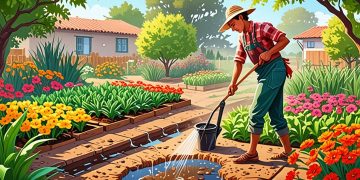
Traditional Irrigation Methods: What Beginner Gardeners Need to Know
Beginner gardeners can cultivate thriving plants by exploring traditional irrigation methods. From efficient drip irrigation to sustainable rainwater harvesting, these age-old techniques conserve water and enhance soil health. Understanding their benefits and challenges allows for informed choices, promoting a rewarding and eco-friendly gardening experience.

How to Identify the Perfect Time to Harvest Fruits and Vegetables at Home
Knowing when to harvest fruits and vegetables at home is essential for maximizing flavor, nutrition, and yield. By observing signs like color, texture, and environmental conditions, gardeners can enhance their culinary experiences and ensure a bountiful harvest. Regular monitoring and understanding varietal differences further refine this process.
The Synergy Among Plants: How Crop Rotation Influences Harvest Timing
Discover how crop rotation enhances agricultural sustainability by optimizing harvest timing. This practice improves soil health, manages pests, and increases profitability, while also supporting biodiversity. Understanding the synergy among plants allows farmers to adapt to market demands and climate challenges, ensuring a resilient and productive future for agriculture.
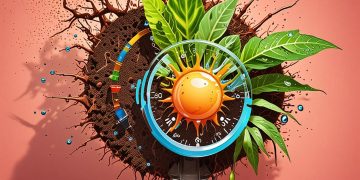
The Impact of Temperature and Humidity on the Plant Irrigation Cycle
Understanding the impact of temperature and humidity on the plant irrigation cycle is crucial for optimizing crop health. As climate patterns evolve, growers must adjust irrigation methods based on evapotranspiration, soil moisture retention, and plant stress responses to ensure efficient water usage and sustainable agricultural practices.

How to Create an Efficient Irrigation Schedule for Indoor Plants
Discover essential tips for creating an efficient irrigation schedule for indoor plants. Learn to assess specific plant needs and environmental factors, ensuring optimal care. Techniques like using moisture meters and grouping plants effectively can simplify your routine, promoting vibrant growth and enhancing your indoor garden's vitality.

How to Identify the Water Needs of Different Plants at Home
Understanding the unique water needs of various houseplants is essential for their health. Factors like plant type, soil composition, light exposure, and seasonal changes impact hydration requirements. Recognizing signs of overwatering and underwatering allows for tailored care, ensuring a vibrant and thriving indoor garden.
Harvest Calendars: Creating an Efficient Schedule for Various Crops at Home
Efficient harvest calendars are essential for maximizing home gardening yields. By scheduling planting and harvesting times according to local climates, gardeners can optimize crop growth, manage pests, and conserve resources. Personalized calendars enhance productivity and promote sustainable practices, ensuring a bountiful garden throughout the seasons.

Tips for Planning Harvests in Different Seasons: What to Learn from Nature
Effective harvest planning is essential for maximizing crop yields and sustainability. By understanding seasonal crops, pest management, and soil health, farmers can align their practices with nature's rhythms. This approach fosters a deeper connection to the land, ensuring successful harvests throughout the year while promoting ecological balance.