Seasonal Pest Control: Timing Your Interventions in the Home Garden

Understanding Seasonal Pest Control
Gardeners in the United States are well aware that pest control is a crucial aspect of maintaining a vibrant and productive garden. The timing of pest control interventions can mean the difference between a bountiful harvest and a total crop failure. This article delves into the intricacies of seasonal pest control, focusing on how to effectively manage pests throughout the year to protect your garden’s health.
It is essential to recognize that pests vary with the seasons, and understanding their behaviors can significantly influence crop yields. Here are some important factors to consider:
- Life cycles: Different pests possess unique life cycles, each influencing their emergence and activity patterns. For example, the cabbage looper, a common pest attacking brassicas, goes through several life stages, including egg, larva, pupa, and adult. Knowing these stages helps gardeners anticipate pest pressures and act accordingly.
- Weather patterns: Seasonal changes in weather, including temperature and rainfall, can drastically affect pest populations. Warmer winters, for instance, can lead to higher survival rates for pests like aphids, potentially leading to an earlier onset of infestations in the spring.
- Crop rotation: Different plants attract various pests, which makes rotating your crops an effective strategy for pest management. For instance, rotating corn with legumes can help disrupt the life cycles of pests like corn rootworm, leading to healthier plants.
For successful pest management, understanding when to act is crucial. Early interventions can help prevent pest infestations, while delays can result in severe plant damage. Below are some common pests to monitor by season, along with effective management strategies:
- Spring: As temperatures warm, pests such as aphids and caterpillars begin to emerge. Applying insecticidal soap early can help keep these insects at bay. Additionally, introducing beneficial insects like ladybugs can provide biological control.
- Summer: The heat of summer provides perfect conditions for pests like Japanese beetles and spider mites to thrive. Utilizing sticky traps and ensuring adequate irrigation can help control their populations and protect your crops.
- Fall: As the weather cools, pests like squash bugs and rats may seek shelter within your garden. Implementing physical barriers and ensuring proper sanitation in your gardening area can deter these unwelcome guests.
By planning your pest management strategies according to the seasons, you can ensure a thriving garden throughout the year. Emphasizing a preventative approach combined with timely action can significantly enhance your gardening experience. So, stay alert, educate yourself on seasonal pest behavior, and employ these best practices to safeguard your cherished plants and crops. Integrating these strategies will not only protect your garden but may also lead you toward new discoveries in sustainable gardening practices.
DISCOVER MORE: Click here to learn about sustainable irrigation methods
The Importance of Timing in Pest Control
In the realm of home gardening, the old saying “an ounce of prevention is worth a pound of cure” could not hold more truth, particularly when it pertains to seasonal pest control. Timing your interventions effectively can create a robust biological environment that wards off potential infestations before they become problematic. By understanding the specific pest behaviors that correlate with the changing seasons, gardeners can implement smart strategies that help mitigate damage and promote healthy plant growth.
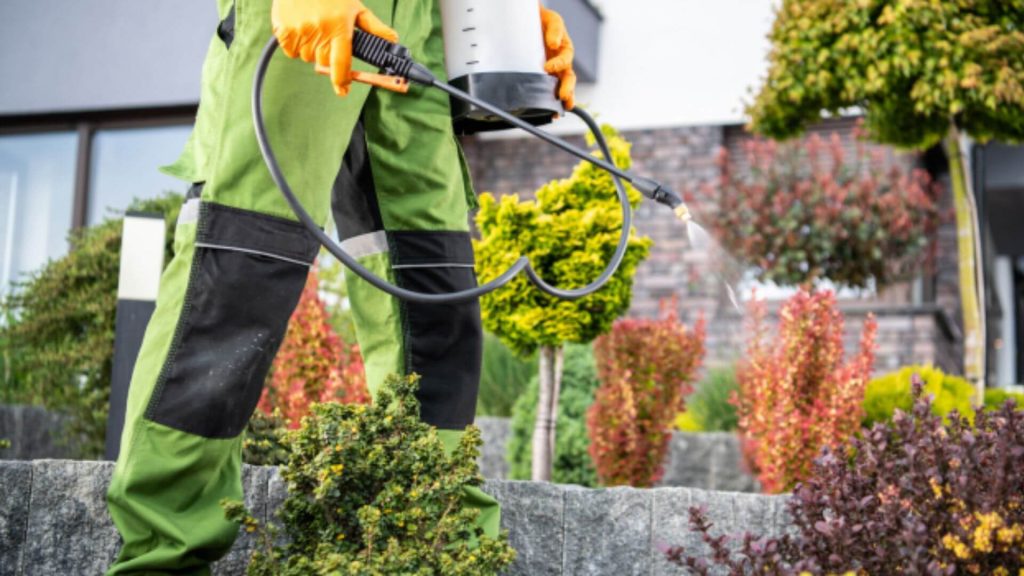
Spring heralds a fresh start in the garden, but it also signals the awakening of pests. As soon as the frost recedes and warm weather arrives, many pests re-emerge from their winter refuges. This season is critical for interventions, as early action can significantly decrease future pest populations. For instance, a gardener may spot the first signs of aphids and caterpillars during this time. It is essential to apply organic solutions, such as insecticidal soap or neem oil, to deter these pests effectively. Additionally, considering introductions of biological control agents like ladybugs can help maintain a healthy balance in the ecosystem.
The sweltering days of summer bring their own set of challenges. During these months, pests such as Japanese beetles and spider mites tend to flourish, finding ideal conditions for their reproduction. Monitoring your plants closely for any signs of distress or infestation is key. Implementing measures like sticky traps near affected areas or ensuring the plants receive adequate water can provide much-needed relief. Moreover, managing the humidity in your garden can deter pests like spider mites that thrive in dry conditions.
As autumn approaches, the garden undergoes a transformation, and so do the pest dynamics. Squash bugs behave like couriers of cold weather, looking for warm places to seek shelter. Additionally, rodents like rats and mice are often enticed by the promise of leftover food or shelter. This period calls for preventative measures such as physical barriers—netting or row covers can prove effective against these pests. Furthermore, practicing good sanitation by clearing garden debris will reduce hiding spots, making your garden less appealing to pests seeking refuge for the winter.
Understanding and adapting your pest control strategies according to the seasons is more than just reacting to infestations; it’s about creating a holistic approach to garden stewardship. By recognizing the timing of pest activities, gardeners can proactively protect their plants and foster a thriving ecosystem. Implementing seasonal strategies not only leads to healthier gardens but also enhances your overall gardening experience, making it both rewarding and sustainable.
Understanding seasonal pest control is crucial for any effective gardening strategy. The timing of interventions can make a significant difference in the health of your garden. For example, specific pests like aphids and spider mites are most active in the early spring and late summer; timing your interventions during these peak periods allows for more effective management and minimization of pest populations. Implementing preventative measures, such as applying organic insecticides before pests emerge, can guard plants against infestations.
Moreover, integrating natural pest deterrents, such as beneficial insects like ladybugs or lacewings, can further bolster your garden’s defenses while maintaining a more balanced ecosystem. Regular monitoring and scouting during critical periods can help detect early signs of pest activity, thereby allowing for prompt action. By aligning your pest control tactics with the specific seasons and life cycles of pests, you can ensure a healthier, more productive garden.
Additionally, it’s important to consider environmental factors and regional climate variations when planning interventions. Different areas may experience pest pressures at different times; thus, local knowledge and weather patterns should inform your gardening schedule. Seasonal gardening practices tailored to your specific developmental zones can create a thriving environment where plants can flourish with minimal pest interference.
| Category 1 | Category 2 |
|---|---|
| Timing for Interventions | Applying treatments based on pest life cycles enhances effectiveness. |
| Seasonal Monitoring | Regular checks during peak seasons help detect early infestations. |
Lastly, remember that maintaining a healthy soil ecosystem through proper fertilization and watering can naturally deter pests. Healthy plants are less susceptible to infestations and can recover quicker if problems arise. Understanding the intersection of seasonal pest control and plant health is essential for gardeners looking to enhance the resilience of their home garden against pest-related issues.
DISCOVER MORE: Click here to learn about companion planting
Understanding Pest Life Cycles and Interventions
Every gardener wants their plants to flourish, but achieving that dream requires a keen understanding of pest life cycles. This knowledge is instrumental in timing your interventions accurately throughout the gardening year. By aligning your strategies with pest biology, you can develop a defense that not only deals with current infestations but also preemptively addresses potential problems.
Winter may seem like an idle time for gardeners, yet it is the perfect opportunity to prepare for the spring pest onslaught. Many pests, including aphids and scale insects, spend the winter hiding in the crevices of tree bark or in the soil, waiting for the right conditions to emerge. To set yourself up for success, consider implementing a late-winter inspection of your trees and shrubs. Use dormant oil sprays to suffocate overwintering pests before they can become a problem in the warmer months. Additionally, setting up birdhouses can attract insectivorous birds, creating a natural pest control system even before spring arrives.
During the transition from spring to summer, it’s crucial to remain vigilant. The increased warmth triggers not only plant growth but also the hatching of numerous pests. One of the most common culprits during this period is the cabbage worm, which can wreak havoc on leafy greens. To combat this, employing row covers can block the moths from laying eggs while still allowing sunlight and moisture to reach the plants. Furthermore, adding companion planting techniques, such as interspersing marigolds or nasturtiums among your vegetables, can deter pests naturally. These flowers not only attract beneficial insects but can also distract plant-eating pests away from your prized crops.
As the days lengthen in mid-summer, a paradigm shift in pest behavior occurs. Here, while certain insects like whiteflies and earwigs emerge enthusiastically to exploit the warm conditions, some pests, including aphids, may also seek refuge from rising temperatures. Regularly monitoring your plants and quickly addressing any signs of distress with organic pesticides or soapy water can help minimize damage. This phase also presents an excellent opportunity for soil amendment to ensure your plants are healthy enough to withstand pest pressures. Enriching soil with compost can encourage robust plant growth and resilience against infestations.
The onset of autumn brings with it the challenge of certain pests that are desperate to find shelter as the temperatures dip. This is particularly true for leafhoppers and climbing cutworms, which seek to overwinter in the safety of your garden. The best defense during this time is not only to maintain sanitation by removing plant debris but also to engage in targeted trapping techniques. Monitoring and setting up traps for pests like slugs can significantly reduce their populations before they have a chance to proliferate. Integrating mulch can also create an unfavorable habitat for pests while providing insulation for your soil as the weather cools.
Through a combination of understanding pest life cycles and implementing timely interventions, gardeners can create a dynamic environment where beneficial insects can thrive while mitigating pest populations. This strategic approach to seasonal pest control not only reduces the reliance on chemical interventions but also fosters a healthy, vibrant garden ecosystem.
LEARN MORE: Click here to find out how to create a healthy garden ecosystem
Conclusion: Mastering Seasonal Pest Control
In the world of gardening, timing is everything, especially when it comes to seasonal pest control. Understanding the complex life cycles of garden pests creates a stronger foundation for proactive measures, helping you outsmart them before they become a threat to your plants. Each season offers unique challenges, yet also presents opportunities for implementing the most effective pest management strategies. With diligent observation and timely interventions — from winter’s preventative dormant oil treatments to autumn’s strategic traps — gardeners can significantly reduce pest populations while promoting a thriving ecosystem.
Moreover, adopting natural methods such as companion planting, using row covers, and attracting beneficial insects can lead to healthier plants and reduced chemical reliance. By prioritizing an integrated approach, you can foster biodiversity in your garden, which not only aids in pest control but also enhances the overall beauty and productivity of your space. As seasons change, remain adaptable, continually adjust your strategies, and stay informed about new developments in organic pest management.
Ultimately, mastering the art of seasonal pest control is not simply about protecting your plants; it’s about cultivating an environment where life — both flora and fauna — can harmoniously coexist. Keep your gardening journal updated to track the trends in pest populations and your responses, paving the way for an even more successful growing season next year. With knowledge as your ally, you’ll transform your home garden into a resilient, bountiful haven.

Linda Carter
Linda Carter is a gardening writer and home-growing specialist who helps beginners cultivate thriving home gardens. With extensive experience guiding new gardeners through plant selection and sustainable growing techniques, she shares practical gardening strategies on our platform. Her goal is to empower readers with actionable advice and step-by-step strategies to successfully grow their own food and create beautiful, productive gardens at home.