
Changes in Consumer Behavior Post-Pandemic: What Brands Need to Know
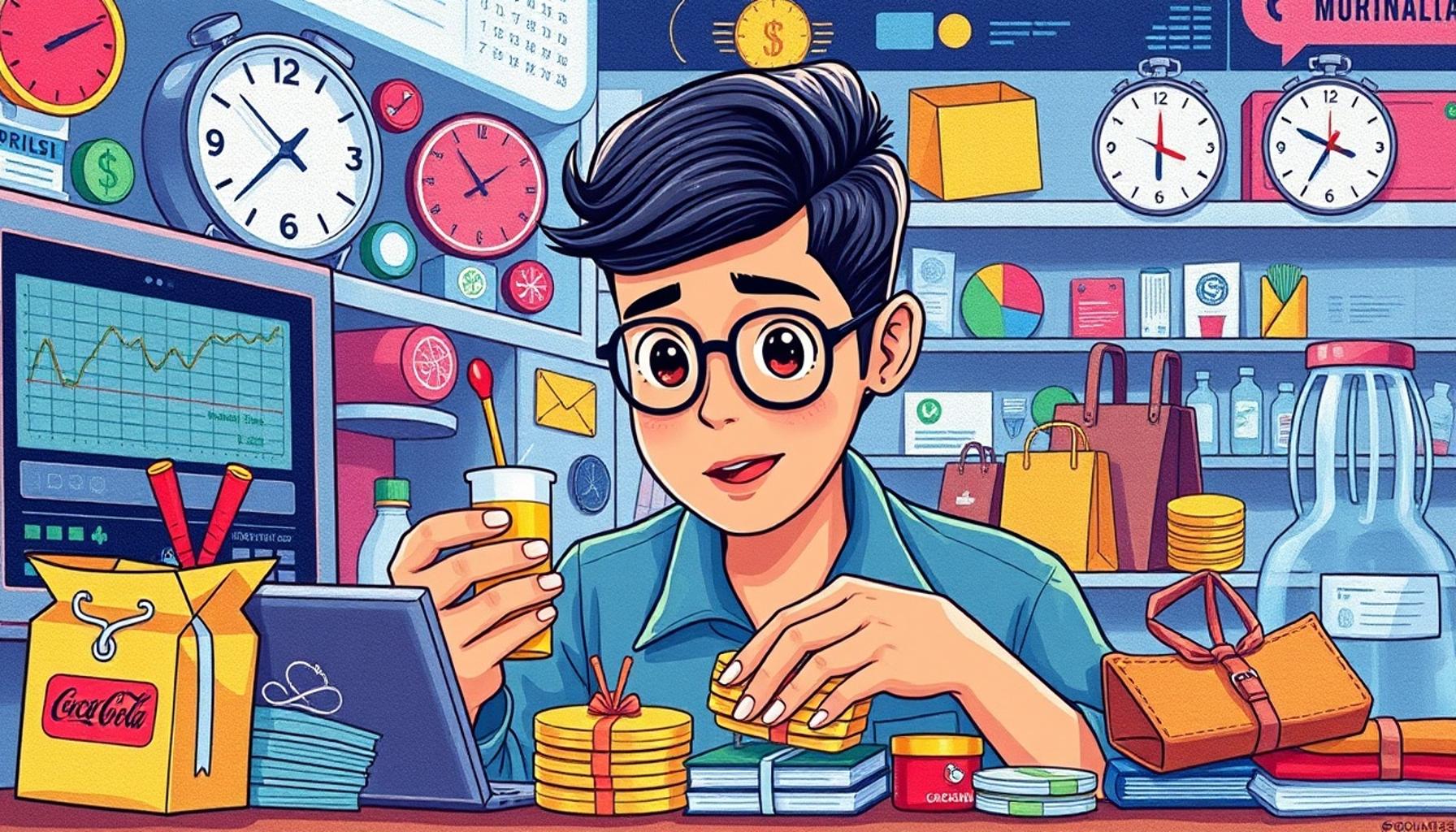
The Impact of Consumer Behavior Changes
The COVID-19 pandemic has brought about profound transformations in societal norms, particularly in the realm of consumer behavior. As individuals adapted to new routines, brands were also compelled to adapt to meet emerging consumer demands. Understanding these shifts is vital for businesses aiming to thrive in this evolving landscape.
Key Changes in Consumer Behavior
- Increased online shopping: One of the most notable shifts has been the surge in online shopping. Many consumers who previously preferred traditional brick-and-mortar stores have fully embraced e-commerce. For example, you might have noticed neighbors eagerly waiting for package deliveries or frequent discussions about the best online deals. Brands that had already established a robust online presence have found themselves in a favorable position, while others rapidly pivoted to enhance their digital shopping experience.
- Value-driven purchasing: Consumer priorities have also shifted significantly, particularly towards brands that emphasize sustainability and ethical business practices. Shoppers are increasingly asking questions about where their products come from and how they are made. This means that companies focusing on eco-friendly packaging or fair labor practices are more likely to attract loyal customers. A household favorite, like reusable shopping bags, has seen a rise in demand as consumers consciously choose sustainable options.
- Health and safety awareness: Amidst ongoing health concerns, consumers are more aware than ever of hygiene and safety practices. Brands have had to pivot by implementing and clearly communicating their health measures, such as enhanced sanitation protocols and mask policies in stores. For instance, restaurants that quickly adopted visible safety measures, like outdoor seating and contactless menus, have reaped the benefits of customer trust and reassurance.
Emphasizing Adaptability and Responsiveness
As consumer preferences evolve, brands recognize the necessity of being adaptable and responsive. These qualities can significantly enhance brand loyalty and customer satisfaction.
- Personalization: Tailored marketing efforts resonate much more deeply with consumers today. From personalized email campaigns addressing individuals by name to recommendation systems that suggest products based on previous purchases, companies that customize the shopping experience make customers feel valued and understood.
- Community focus: Brands that engage with and contribute to local initiatives often find they can foster trust among consumers. This could include sponsoring local events or responding to community needs during crises, such as donating masks or food to frontline workers.
- Flexibility in services: Offering flexible options, such as contactless delivery or easy online returns, has become essential. This not only addresses consumer safety concerns but also adds convenience, making it easier for customers to shop with confidence.
Navigating Future Trends
Looking ahead, it is imperative that brands stay informed and agile. By recognizing and adjusting to the post-pandemic trends, businesses can forge lasting relationships with consumers in a rapidly changing environment. This ongoing adaptability will ensure that companies remain relevant and can effectively meet the needs of their customers in the long run.
DISCOVER MORE: Click here to learn about inclusive fashion trends
Understanding Evolving Consumer Priorities
As we navigate the post-pandemic landscape, it becomes increasingly clear that consumer priorities have shifted dramatically. These changes are not merely fleeting responses to crisis but rather signals of a new consumer ethos that brands must understand and align with to remain relevant. By recognizing these fundamental shifts, businesses can effectively engage with their customers and enhance brand loyalty.
Shifts in Consumer Expectations
- Transparency and Authenticity: Today’s consumers value transparency from brands more than ever. They expect clear communication regarding product sourcing, ingredients, and production processes. Brands that can openly share their stories and practices—such as sourcing locally or using ethically-sourced materials—tend to build stronger connections with their audience. For instance, food brands that disclose their supply chain practices often attract health-conscious consumers looking for trust in their food choices.
- Innovation in Delivery Services: With many people becoming accustomed to the convenience of online shopping and home delivery, brands must innovate their delivery services. Options such as same-day delivery or subscription services are becoming standard expectations rather than mere perks. Companies that offer seamless and reliable delivery options not only meet consumer needs but also position themselves as leaders in an increasingly competitive market.
- Focus on Mental Well-being: The pandemic has heightened awareness around mental health issues, leading to consumers prioritizing products and services that promote well-being. Whether it’s brands offering mindfulness apps or beauty products that focus on self-care, companies that address these emerging needs tend to resonate more deeply with today’s consumers. Brands can foster loyalty by integrating elements that enhance psychological comfort and promote self-care into their offerings.
Building Trust Through Engagement
To thrive in this new consumer landscape, brands must prioritize building trust through engagement. This approach requires proactive strategies that set companies apart from their competitors.
- Community Engagement: In a time when individualism has taken a backseat to community support, brands that actively engage with local communities often experience greater loyalty. By initiating programs that give back or support local causes, businesses can demonstrate their commitment to the communities they serve. For example, a local grocery store that partners with a food bank to address hunger can draw in customers who appreciate their community-focused efforts.
- Responsive Customer Service: The importance of responsive customer service has surged. Consumers expect prompt and helpful resolution to their inquiries, especially as many have shifted to online platforms where instant communication is critical. Brands that excel in delivering personalized and quick support enhance their reputation and foster long-term relationships with their customers.
- Leveraging Technology: Technology plays a pivotal role in enhancing consumer convenience. Brands should consider implementing tools such as chatbots for 24/7 assistance or augmented reality features to enable consumers to visualize products in their own spaces before purchase. These innovations not only provide added value but also align with the tech-savvy expectations of today’s shoppers.
Understanding these evolving consumer priorities and expectations is essential for brands looking to navigate the complexities of the post-pandemic market. By focusing on building trust, fostering community connections, and driving innovation, companies can create significant advantages in an environment that increasingly values authenticity and engagement.
DISCOVER MORE: Click here to delve into emerging trends
Adapting to a New Shopping Environment
The pandemic has not only altered consumer priorities but also transformed the way consumers interact with brands. As people slowly re-emerge from lockdowns and restrictions, their shopping habits have shifted in profound ways, and brands must adapt accordingly to meet these new expectations.
Emphasis on Omnichannel Experiences
- Unified Shopping Channels: Today’s consumers expect a seamless integration between online and offline shopping experiences. Brands must create omnichannel strategies that allow consumers to research products online, purchase through mobile apps, and pick up their orders in-store. For instance, retailers who use click-and-collect services are finding that customers appreciate the flexibility to shop how they wish while still enjoying the immediacy of in-person shopping.
- Enhanced In-Store Experiences: As physical stores reopen, consumers are seeking more engaging and personalized experiences. Brands need to rethink their brick-and-mortar strategies by incorporating elements that appeal to consumers’ senses and desires for connection. For example, upscale brands often provide experiential events, such as product demonstrations or workshops, allowing customers to interact with products before making a purchase.
- Safety and Hygiene Practices: Post-pandemic, consumers remain vigilant about safety measures. Brands that instill confidence by implementing and communicating robust health and hygiene practices—such as regular sanitization and social distancing protocols—are more likely to attract customers. A prominent clothing retailer, for example, can reinforce their commitment to safety by openly sharing their cleaning processes in stores and online.
Prioritizing Sustainability and Ethical Practices
A growing number of consumers are now considering the environmental and social impacts of their purchases as part of their buying decisions. Brands that prioritize sustainability and ethical practices are positioned to gain favor with socially-conscious consumers.
- Eco-Friendly Products: A strong emphasis on sustainability is driving consumers towards brands that utilize eco-friendly materials and sustainable production methods. When brands showcase their commitment to reducing waste and using recyclable packaging, they attract consumers who prioritize environmental concerns. For instance, skincare brands using biodegradable packaging or clean ingredients resonate with consumers looking to minimize their environmental footprint.
- Fair Labor Practices: Ethical labor practices have become a critical consideration for consumers. As awareness about global supply chains grows, brands must ensure that their production processes respect human rights and fair labor standards. Companies that transparently communicate their commitment to ethical sourcing can attract consumers who are willing to pay a premium for ethically-produced goods.
- Brand Activism: Brands that actively support social movements or causes that align with their consumers’ values can foster deeper connections and loyalty. For instance, brands demonstrating solidarity during movements for social justice face a more than positive reception from consumers who share those values, reflecting the new importance of ethical representation in branding.
Adapting to these changes in consumer behavior requires brands to be proactive and responsive. By embracing omnichannel strategies, prioritizing safety measures, and focusing on sustainability and ethical practices, companies can effectively navigate the evolving landscape of consumer expectations in the post-pandemic world.
DISCOVER MORE: Click here to learn about sustainability challenges
Conclusion
The post-pandemic landscape has reshaped consumer behavior in ways that present both challenges and opportunities for brands. As consumers transition into a new normal, their expectations have changed significantly. To thrive, brands must embrace a multifaceted approach that encompasses omnichannel experiences, heightened safety measures, and a commitment to sustainability and ethical practices.
By ensuring seamless integration across online and offline platforms, brands can meet the demands of an increasingly tech-savvy consumer base. This adaptability is essential for fostering loyalty and trust. Furthermore, the ongoing focus on health and safety cannot be overlooked; brands should take proactive steps to communicate their commitment to consumer well-being. As physical interactions resume, offering engaging, personalized in-store experiences will further enhance consumer satisfaction and connection.
Additionally, with consumers weighing their purchases in terms of both social responsibility and environmental impact, companies that prioritize sustainability and ethical labor practices will differentiate themselves in a crowded market. Highlighting these efforts not only appeals to the growing cohort of socially-conscious consumers but also helps build a robust brand reputation.
In conclusion, understanding and adapting to these shifts in consumer behavior is paramount for brands aiming to succeed in a changing marketplace. By aligning their strategies with the values and expectations of today’s consumers, brands can foster lasting relationships that contribute to long-term success in the post-pandemic economy.

Linda Carter
Linda Carter is a writer and expert known for producing clear, engaging, and easy-to-understand content. With solid experience guiding people in achieving their goals, she shares valuable insights and practical guidance. Her mission is to support readers in making informed choices and achieving significant progress.