
Sustainability and Technology: Innovations Transforming the Industry
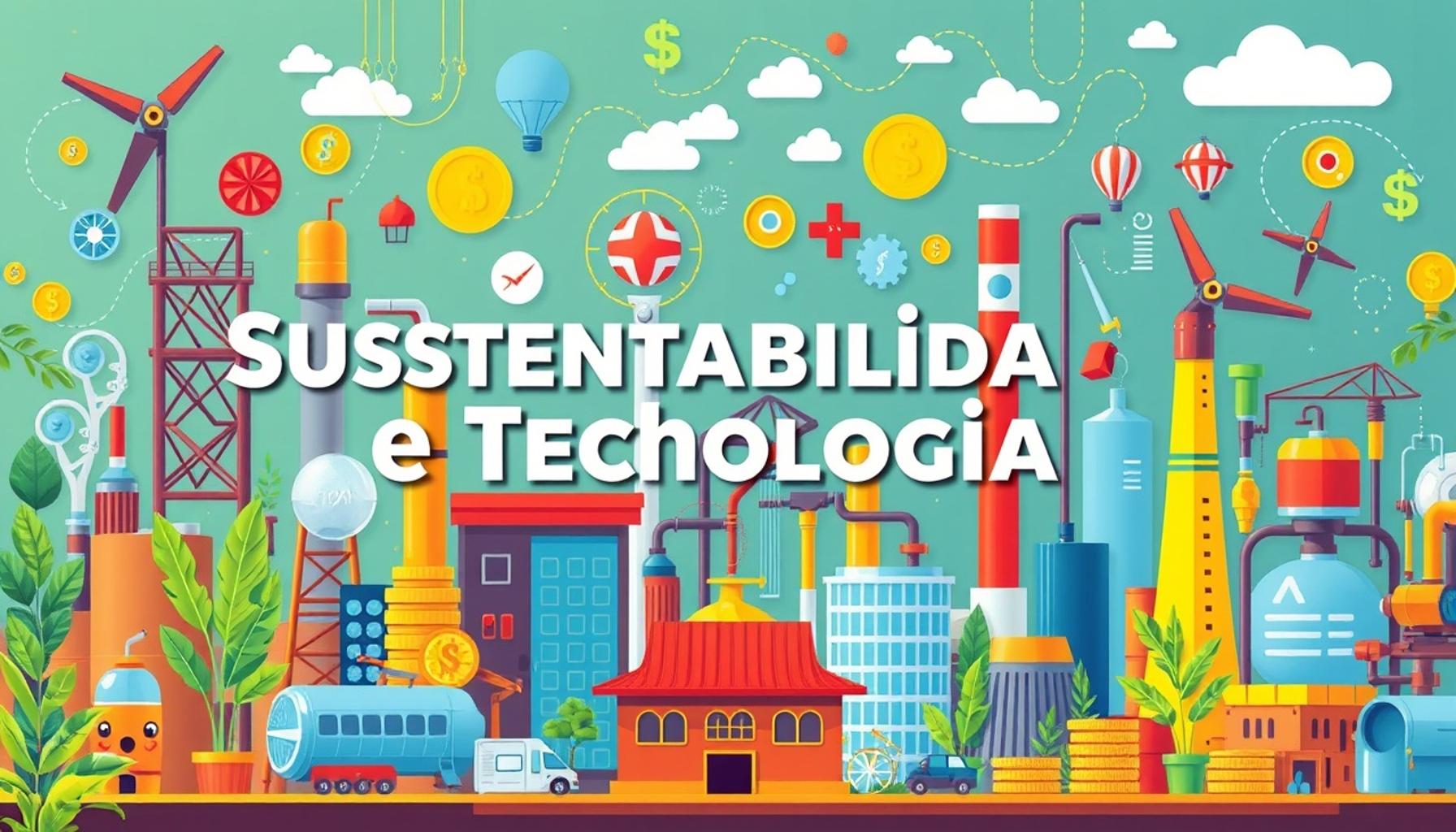
Transforming Industries through Technological Innovation
As businesses and governments respond to escalating environmental challenges, the integration of sustainability with technology is revolutionizing industries. This shift is not merely a trend; it is a vital evolution that aims to safeguard our planet for future generations while simultaneously enhancing operational effectiveness and economic viability.
Take, for instance, the area of renewable energy. Innovations in solar and wind technologies have made these energy sources more efficient and economically competitive compared to traditional fossil fuels. Modern solar panels are designed with advanced materials that capture sunlight more effectively, while wind turbines have grown in size and efficiency, allowing them to generate more energy even in low-wind conditions. This transition to renewables not only reduces greenhouse gas emissions but also offers a more reliable energy supply, fostering energy independence for countries like the United States.
In the realm of smart agriculture, precision farming techniques are revolutionizing how food is produced. Farmers now utilize drones equipped with sensors to monitor crop health, allowing them to apply water, fertilizers, and pesticides more effectively. For example, soil moisture sensors help farmers water their crops only when necessary, drastically reducing water waste in regions that face water scarcity. This efficient resource management enhances crop yields while minimizing environmental impact, exemplifying how technology can directly address sustainability challenges in agriculture.
Another significant domain is the rise of electric vehicles (EVs). As battery technology continues to advance, EVs have become increasingly viable for everyday consumers. With the development of fast-charging infrastructure and longer-lasting batteries, EVs are not just a greener alternative to conventional cars but are also competing favorably in terms of cost and convenience. Major automakers are investing heavily in EV production, further supporting the transition away from fossil fuel dependency. This shift not only plays a pivotal role in reducing transportation emissions but also stimulates job growth in new sectors, contributing to a more sustainable economy.
These examples of sustainability-driven technologies represent a broader shift in multiple industries, where innovation enables businesses to meet environmental regulations while uncovering new opportunities for profitability. Companies that prioritize these advancements often find themselves at a competitive advantage, leading to enhanced brand loyalty among consumers who are increasingly conscious of their environmental impact.
As we further explore the intersection of sustainability and technology, it’s essential to delve into specific innovations and their implications for our society. Recognizing these advancements will underscore their crucial role in steering us toward a more sustainable and prosperous future for all.
DISCOVER MORE: Click here to learn how to apply
Key Innovations in Sustainability and Technology
As we delve deeper into the relationship between sustainability and technology, it becomes evident that several cutting-edge innovations are reshaping various sectors. These advancements not only address pressing environmental challenges but also streamline operations and improve profitability for businesses. Let’s explore some of the most impactful technologies that are driving sustainability forward:
1. Sustainable Materials
The development of sustainable materials is taking center stage in industries such as construction and manufacturing. Biodegradable plastics, recycled metals, and eco-friendly fabrics are examples of materials that significantly lessen environmental footprints. For instance, building with recycled steel can reduce greenhouse gas emissions by up to 75% compared to traditional steel production techniques. Companies like Interface are leading the way by creating carpets from recycled materials, showcasing how sustainability can also be stylish and functional.
2. Circular Economy
The concept of a circular economy encourages the continual use of resources by rethinking the lifecycle of products. This approach contrasts sharply with the traditional linear economy, where products are made, used, and discarded. By designing for durability, repairability, and recycling, businesses can minimize waste. An excellent example is the fashion industry, where brands such as Patagonia encourage consumers to repair rather than replace their clothing. As this trend grows, it not only helps the environment but also promotes a shift in consumer behavior toward more sustainable choices.
3. Green Building Technologies
In the architecture and construction sectors, green building technologies are transforming how structures are designed and constructed. Innovations such as energy-efficient HVAC systems, advanced insulation materials, and green roofs contribute significantly to reducing energy consumption and waste. Buildings designed with these technologies can save up to 30% on energy costs, a significant savings in the long run. Additionally, cities like San Francisco have begun implementing strict building codes requiring green technology in new structures, demonstrating governmental support for these eco-friendly initiatives.
4. Water Conservation Technologies
Water scarcity is a pressing issue in many parts of the United States, and sustainable technologies are emerging to tackle this challenge. Smart irrigation systems, for example, utilize data analytics and sensor technology to optimize water usage in agriculture and landscaping. These systems can monitor soil moisture levels and weather forecasts, allowing for precise watering schedules that conserve water resources. In urban areas, companies are also creating solutions like rainwater harvesting systems to capture and reuse runoff, further promoting responsible water use.
The innovations highlighted above illustrate the power of technology in advancing sustainability across various industries. By embracing these developments, businesses not only comply with environmental regulations but also resonate with a growing consumer base that prioritizes sustainability. As we continue to witness this transformation, it is crucial for both individuals and organizations to stay informed and engaged in these critical changes shaping our future.
DISCOVER MORE: Click here to learn more
Technological Solutions Driving Sustainable Practices
In addition to the innovations previously discussed, further advancements in technology are broadening the scope of sustainable practices across various fields. These solutions play pivotal roles in reducing resource consumption, enhancing productivity, and enabling communities to thrive in harmony with their environments. Let’s examine some of these transformative technological solutions:
1. Renewable Energy Technologies
One of the most significant shifts towards sustainability is found in renewable energy technologies. Innovations in solar, wind, and hydroelectric power are making them more accessible and affordable for consumers and businesses alike. For example, solar panel installations have become increasingly common in residential areas, with programs like the Solar Investment Tax Credit in the U.S. providing incentives for homeowners to invest in solar energy. The growth of community solar projects also allows individuals to participate in renewable energy without upfront costs, making cleaner energy a viable option even for those unable to install solar panels on their properties.
2. Smart Technologies and IoT
The rise of the Internet of Things (IoT) introduces new capabilities for monitoring and optimizing energy and resource usage. Smart devices can collect real-time data to manage everything from energy consumption in homes to waste management in urban centers. For instance, companies like Nest provide smart thermostats that learn user habits and optimize heating and cooling processes, significantly reducing energy consumption. Similarly, waste management companies are employing smart waste bins equipped with sensors that alert service providers when bins are full, maximizing efficiency in pickups and ensuring minimal overflow.
3. Electric and Alternative Fuel Vehicles
The transportation sector is undergoing a remarkable transformation with the rise of electric vehicles (EVs) and alternative fuel solutions. EVs, including models from manufacturers such as Tesla and Nissan, are becoming more popular due to their reduced emissions and lower operating costs compared to traditional gasoline-powered vehicles. Furthermore, some cities are investing in electric public transportation options, such as electric buses, contributing to decreased urban pollution. Innovations in charging infrastructure, such as fast-charging stations and wireless charging, are also essential in making EV adoption more convenient and practical for consumers.
4. Advanced Recycling Technologies
The recycling industry is also witnessing a transformation through advanced recycling technologies. These methods allow for more efficient sorting and processing of materials, increasing the rates at which materials are recycled. For instance, chemical recycling uses a process to break down plastics into their original chemical components, enabling them to be reused in manufacturing. Companies like Loop Industries are at the forefront, ensuring that plastics can be recycled indefinitely, significantly reducing plastic waste and its impact on the environment.
These innovations illustrate how integrating technology can address some of the most urgent challenges facing our planet today. By investing in these advancements, companies and individuals can contribute to a more sustainable future, while also realizing the economic benefits that stem from efficiency and responsible resource management. As we move forward, embracing these technologies will be crucial in promoting sustainable practices across all sectors of the economy.
DISCOVER MORE: Click here for details
Conclusion: Embracing a Sustainable Future Through Technology
As we delve deeper into the symbiotic relationship between sustainability and technology, it becomes evident that the innovations discussed play a critical role in pioneering a greener, more sustainable future. The advancements in renewable energy, the integration of smart technologies, the rise of electric vehicles, and the evolution of recycling processes serve not only to enhance productivity but also to minimize the ecological footprint of industries.
What stands out is the collaborative potential of technology and society. When consumers, businesses, and governments unite in the pursuit of sustainable practices, significant transformations can take place. For instance, community initiatives related to renewable energy and smart waste management illustrate how collective action can lead to substantial environmental benefits and cost savings. Furthermore, as we continue to innovate and refine these technologies, the possibility of integrating sustainability into everyday life becomes more achievable, bridging the gap between consumption and conservation.
Moving forward, it is imperative that we remain committed to leveraging these technological advancements for the benefit of our planet. By fostering environments that embrace sustainability—from our homes to our cities—we can create a legacy of responsible stewardship that not only addresses today’s pressing challenges but also prepares future generations for a thriving, sustainable existence. Embracing this journey of innovation today will chart the course for a sustainable tomorrow, where technology becomes a cornerstone of a healthier planet.

Linda Carter
Linda Carter is a writer and expert known for producing clear, engaging, and easy-to-understand content. With solid experience guiding people in achieving their goals, she shares valuable insights and practical guidance. Her mission is to support readers in making informed choices and achieving significant progress.